
Tombstone, Arizona
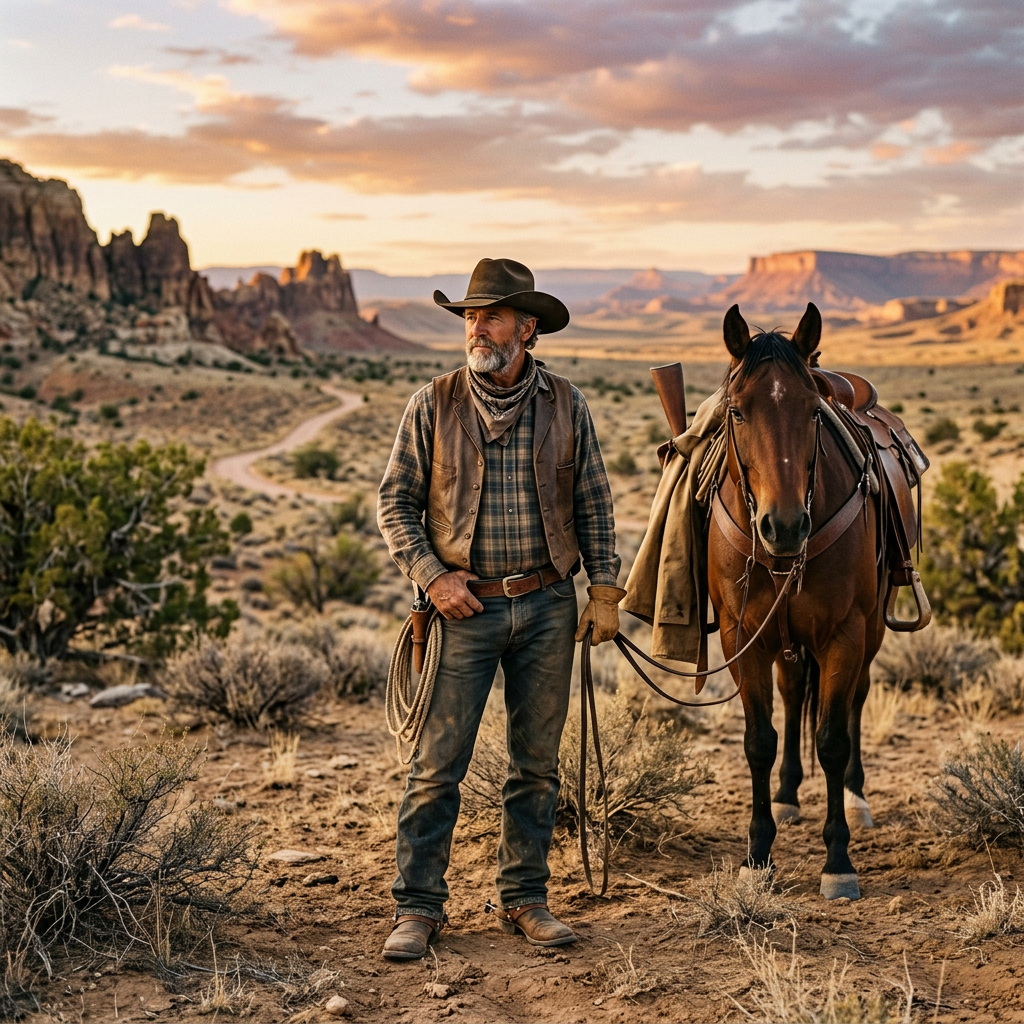
투산에 정착하고 얼마 지나지 않아 우리는 툼스톤으로 향했다. 그날의 공기는 유난히 건조했고, 사막 특유의 먼지 냄새가 차 안으로 스며들었다. 끝없이 이어지는 도로, 태양에 바래진 흙빛, 그리고 이상할 정도로 넓은 하늘. 한국에서 상상만 하던 미국 서부의 이미지가 조금씩 현실로 다가오는 느낌이었다.
툼스톤에 도착하자마자 나는 잠시 멈춰 섰다. 거리 양쪽으로 늘어선 서부개척시대의 건물들, 낡은 목재 간판, 삐걱거리는 발판, 그리고 햇빛에 바래진 살룬의 문. 그 모든 것이 너무 자연스럽게 그 자리에 있었다. 마치 시간이 멈춘 채 1800년대가 그대로 보존된 공간 같았다.
그때였다. 멀리서 탁, 탁, 탁 말발굽 소리가 울리더니 진짜 카우보이가 말을 타고 살룬 앞을 지나갔다. 모자, 가죽 부츠, 권총집, 말의 갈기, 그리고 그가 지나갈 때 일어나는 작은 먼지까지— 나는 정말로 서부영화 한 장면 속으로 걸어 들어온 것 같은 착각이 들었다. 상상 속 세계가 현실로 눈앞에 펼쳐지는 순간이었다.
우리 네 가족은 그 분위기에 완전히 홀려버렸다. 말 그대로 뭐에 씌인 듯이 거리 한쪽에 있던 사진 스튜디오로 들어갔다. 개척시대 옷을 입고, 여자들은 우산과 부채를 들고, 남자들은 무거운 코트를 걸치고, 모두 일부러 무표정한 얼굴로 카메라 앞에 섰다. 그 시대 사람들처럼, 감정이 없는 듯한 표정으로.
찰칵. 그 순간은 지금도 내 기억 속에 선명하다. 그리고 그 사진은 지금도 우리 집 벽에 걸려 있다. 그날의 햇빛, 그날의 바람, 그날의 카우보이, 그리고 그날의 우리 가족이 그대로 담겨 있다.
그랜드캐니언을 보기 전, 미국 서부의 첫 인상은 툼스톤에서 이미 내 마음속에 깊게 자리 잡았다. 그날 나는 처음으로 깨달았다. “아, 이게 진짜 미국 서부구나.” 상상 속 세계가 현실로 눈앞에 펼쳐지는 순간의 충격과 설렘을 나는 아직도 잊지 못한다.
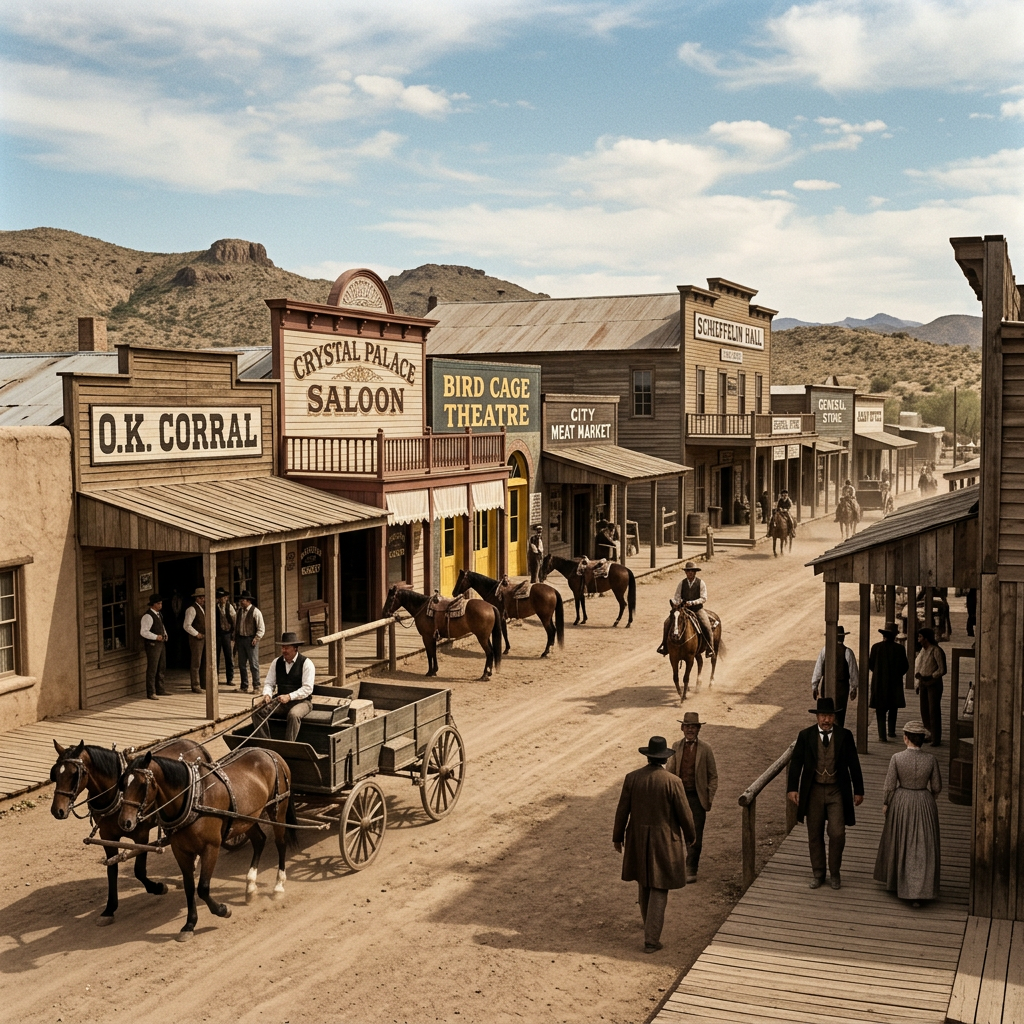
Not long after settling in Tucson, our family took a trip to Tombstone. The air that day was unusually dry, and the desert dust drifted into the car as we drove. The road stretched endlessly ahead, the sun-baked earth glowing in muted tones, and the sky felt impossibly wide. The image of the American West I had only imagined back in Korea slowly began to take shape in front of me.
When we arrived in Tombstone, I stopped in my tracks. Wooden frontier buildings lined both sides of the street, weathered signs hung from creaking beams, and the faded saloon doors swayed slightly in the warm breeze. Everything looked so natural, as if time had simply paused and left the late 1800s untouched. It felt like stepping into a preserved slice of history.
Then it happened. From a distance came the rhythmic clack, clack, clack of hooves, and a real cowboy rode past the saloon on horseback. His hat, leather boots, gun holster, the horse’s mane, and even the small cloud of dust rising as he passed— for a moment, I truly felt as if I had walked straight into a Western movie. It was the instant when imagination collided with reality.
Our family of four was completely swept up in the moment. Almost as if under a spell, we wandered into a photo studio on the street. We dressed in frontier-era clothing, the women holding parasols and fans, my husband wearing heavy coats, all of us posing with deliberately expressionless faces, just like people of that era.
Click. That moment remains vivid in my memory even now. And that photo still hangs on our wall at home— capturing the sunlight of that day, the warm desert wind, the cowboy who passed by, and the four of us standing together in another century.
Before I ever saw the Grand Canyon, my first impression of the American West had already taken root in Tombstone. That day, I realized something for the first time: “This is the real American West.” The shock and excitement of seeing a world I had only imagined suddenly unfold before my eyes is something I will never forget.
