
Forty Years in a Country Where the Surface and the Inside Don’t Match
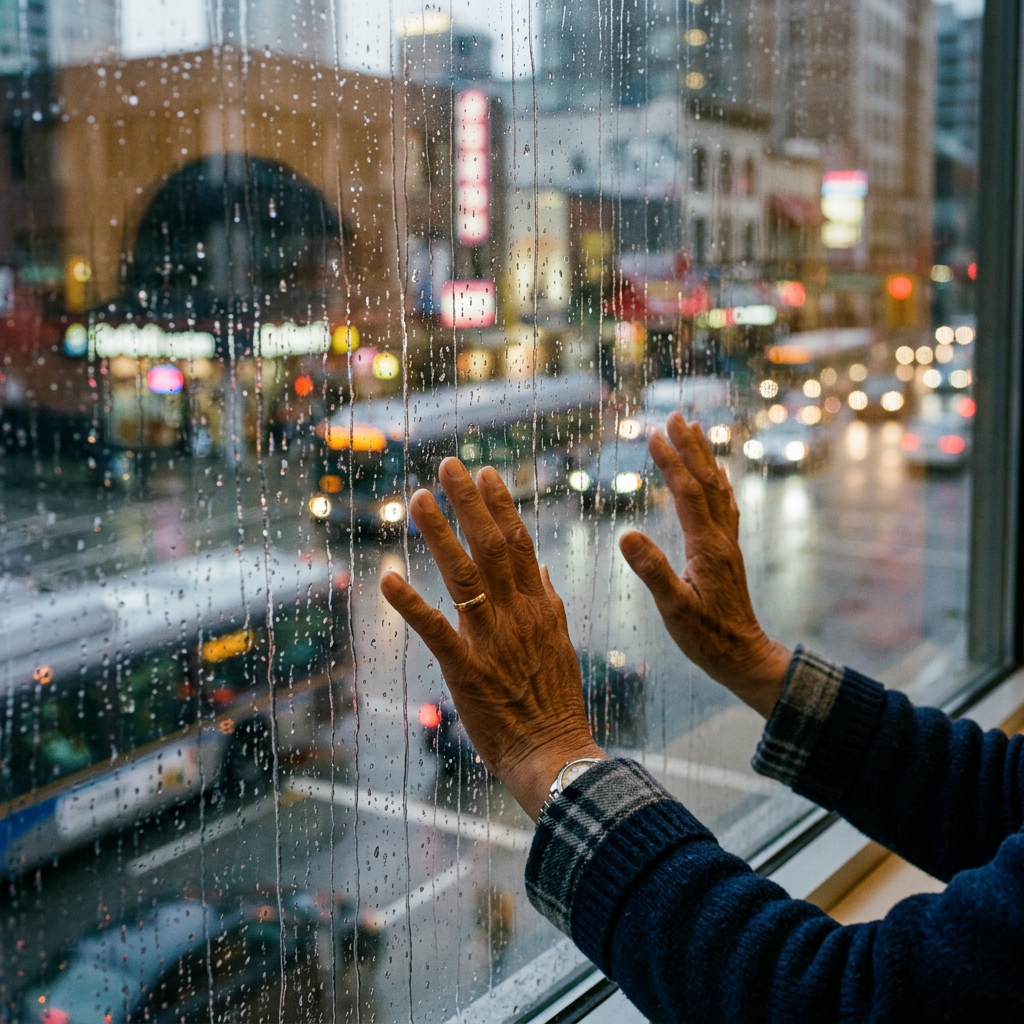
Living in the United States for forty years teaches you something subtle but unmistakable:
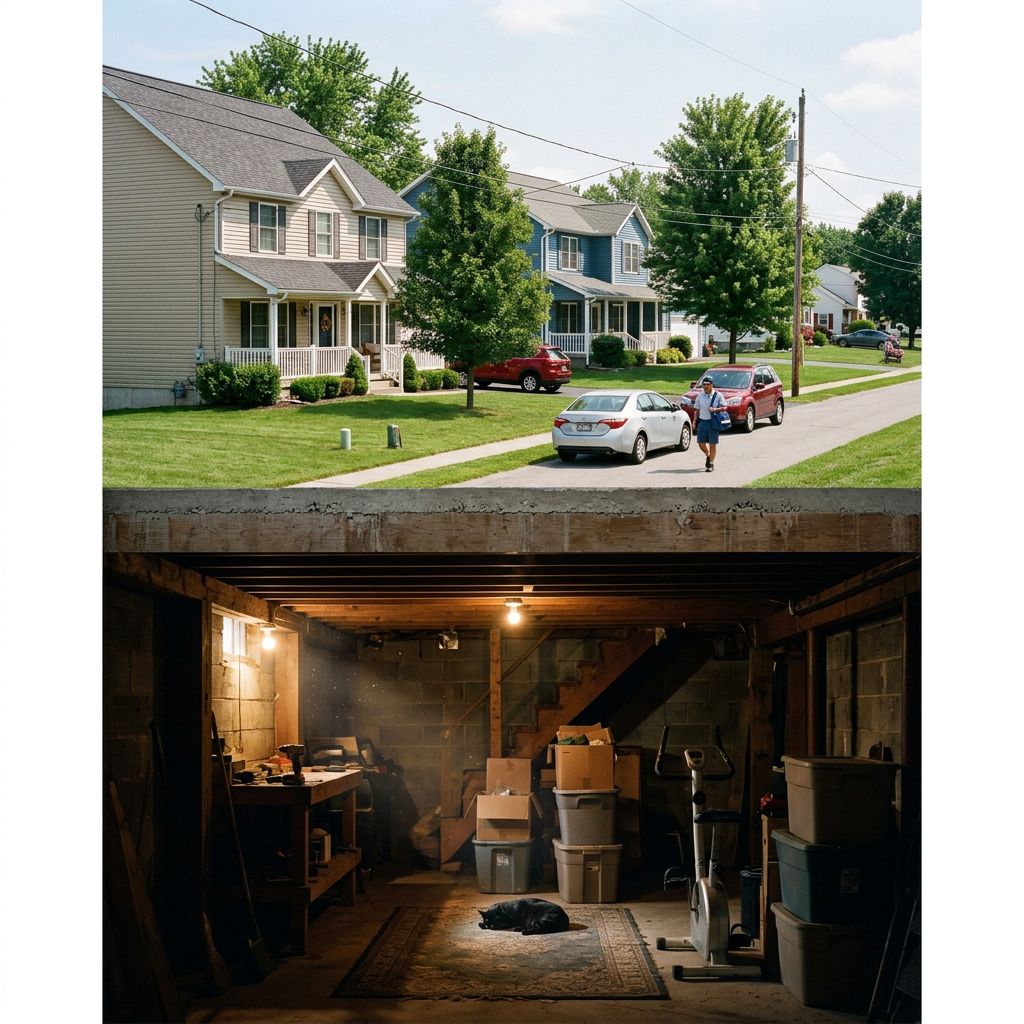
The surface and the inside are not the same.
On the surface, America looks friendly, diverse, open, full of opportunity. Underneath, there are boundaries, distance, unspoken rules, and a quiet structure that shapes everything.
I’ve lived between those two layers for decades. This is what I learned.
1. Reduce Your Reactions — Emotion Is Risky Here
In America, big emotions aren’t seen as warmth. They’re seen as instability.
So the safest way to live is simple: smaller reactions, calmer tone, polite agreement.
Moderation is safety.
2. No Politics — More Dangerous Than Religion
Talking politics in America is like throwing a grenade into a relationship.
Political views aren’t “opinions” here. They’re identity, morality, worldview.
Mention it, and people stop seeing you as someone with a different idea. They see you as someone from a different world.
3. Diversity on the Surface — A Wall Underneath
America advertises diversity. But much of it is branding.
Posters and campaigns show diversity, but power structures remain centered on whiteness.
Asian people get praised, but praise is just another form of categorization. And categorization becomes a wall.
4. Read Actions, Not Words
American words are ceremonial.
“Let’s get coffee!” means “This conversation is over.”
Real signals come from actions:
- Do they make time?
- Do they follow up?
- Does their expression change?
- Does distance appear?
Everyone talks. Only a few act.
5. Remember Where You Live — Every Day
America’s surface and inside don’t match. So I remind myself daily:
“Remember where you live.”
It keeps expectations realistic and misunderstandings low.
6. Being Asian — Quiet Walls and Quiet Survival
Asian people in America rarely face loud discrimination. Instead, they face quiet boundaries.
Compliments become categories. Categories become tanks. Tanks become limits.
So Asian survival becomes observational: less talking, more reading the room.

7. Distance as Culture — Friendly but Not Close
Americans are friendly. But friendliness is service, not closeness.
Closeness is a choice. Distance is respect. Relationships grow slowly.
This is why American “team dinners” are not really team dinners.
Everyone orders their own food, eats their own food, pays with their own card, and goes home separately.
There is no “ 회식 ” here. And that’s okay. It’s America.
8. Warm Surface, Cold Interior
American friendliness is ritual. Not emotion.
The interior is distance — built from individualism, privacy, and legal caution.
Warm outside, cool inside.

9. Grocery Survival — Pork Belly Is Treasure, Corn Is a Lottery
In Tucson, there are very few stores that sell pork belly. In my neighborhood, Safeway is the only one.
So fresh pork belly is a rare item. Some days it’s unusually good — today was one of those days.
And Wednesday is Weekly Deal Day, so it’s automatically grocery day.
Today’s highlight was corn:
17 cents each. Six ears for just over a dollar.
A few years ago, during corn season, you could buy 10 ears for $1. After the pandemic, those deals never came back.
So when I see 17-cent corn, I smile quietly.
I bought beef for jangjorim, saved pork belly for next meal prep, boiled 36 eggs, boiled corn, turned my kitchen into a sauna…
10. Lower Expectations — Life Gets Easier
Lowering expectations in America is not defeat. It’s strategy.
Lower expectations mean:
- smoother relationships
- lighter household work
- softer daily life
In a country where the surface and inside don’t match, lowering expectations is simply seeing reality clearly.
Epilogue — Quiet, Simple, and Sometimes Funny
I don’t love America. I don’t hate America either. I just see it as it is.
And I live with it quietly, simply, and sometimes with humor.
That is my survival method after forty years here.
미국 40년 생존기
겉과 속이 다른 나라에서 살아보니
미국에서 40년을 살다 보면 이 나라가 가진 겉과 속의 간극이 아주 조용히, 그러나 분명하게 보인다.
겉은 늘 친절하고, 다양하고, 자유롭고, 기회가 많아 보인다. 하지만 속은 거리감이 있고, 벽이 있고, 규칙이 있고, 말하지 않는 구조가 있다.
나는 이 두 세계를 동시에 보며 살아왔다. 그리고 그 사이에서 생존하는 법을 조용히, 담백하게, 몸으로 배웠다.
이 글은 그 40년의 기록이다.
1. 리액션을 줄여라 — 미국에서 감정은 위험하다
미국에서는 감정 표현이 크면 따뜻한 사람이 아니라 불안정한 사람으로 분류된다.
그래서 미국에서 살아남는 법은 단순하다. 리액션을 줄이고, 감정을 낮추고, 적당히 맞장구 치는 것.
미국은 과하면 위험하고, 적당하면 안전하다.

2. 정치 얘기 금지 — 종교보다 위험한 금기
미국에서 정치 얘기는 관계를 파괴하는 핵폭탄이다.
정치 성향은 의견이 아니라 정체성·도덕성·세계관으로 연결된다.
그래서 정치 얘기를 꺼내는 순간 상대는 나를 “다른 의견 가진 사람”이 아니라 다른 세계의 사람으로 본다.
3. 다양성의 겉과 속 — 말은 포용, 구조는 벽
미국은 다양성을 말하지만 그 다양성은 브랜딩이다.
포스터와 캠페인에는 다양성이 넘치지만 권력 구조는 여전히 백인 중심이다.
아시아인은 칭찬으로 분류되고 분류는 벽이 된다.
겉은 포용인데 속은 배제다.
4. 사람을 읽는 법 — 말보다 행동을 본다
미국인의 말은 의례다.
“Let’s get coffee!”는 약속이 아니라 대화 종료 버튼이다.
미국에서 진짜 신호는 행동이다.
- 시간을 내는지
- follow-up을 하는지
- 표정이 변하는지
- 거리감이 생기는지
말은 누구나 하지만 행동은 선택된 사람에게만 한다.
5. 내가 어디서 살고 있는지 매일 기억한다
미국은 겉과 속이 다르다. 그래서 나는 매일 내가 어디서 살고 있는지 기억을 되살린다.
겉만 보고 살면 오해하고 속만 보고 살면 피곤하다.
둘 다 알고, 둘 다 인정하고, 그 사이에서 균형을 잡는 것이 미국에서의 생존이다.
6. 아시아인으로 산다는 것 — 보이지 않는 벽과 조용한 생존
미국에서 아시아인은 대놓고 차별을 당하지 않는다. 대신 보이지 않는 벽을 느낀다.
칭찬처럼 들리는 말들이 사실은 분류이고, 분류는 어항이고, 어항은 경계다.
그래서 아시아인은 말보다 관찰이 먼저이고 겉보다 속을 먼저 읽는다.
조용한 생존 기술이 몸에 새겨진다.
7. 거리감이라는 문화 — 친절하지만 가까운 건 아니다
미국은 친절하다. 하지만 가까운 건 아니다.
친절은 서비스이고 가까움은 선택이다.
거리감은 예의이고 관계는 천천히 깊어진다.
그래서 미국에서 회식은 함께 먹는 시간이 아니라 같이 앉아 있는 개인 시간이다.
각자 음식을 주문하고 각자 먹고 각자 계산하고 각자 집에 간다.
회식의 재미는 없다. 하지만 이게 미국이다.
8. 표면 친절과 속마음 거리 — 왜 겉은 따뜻한데 속은 차가울까
미국의 친절은 문화적 기본값이다. 감정이 아니라 의례다.
속마음은 거리감이다. 개인주의·프라이버시·법적 문화가 사람 사이의 간격을 만든다.
겉은 따뜻하지만 속은 차갑다.
9. 미국 마트 생존기 — 삼겹살은 보물찾기, 옥수수는 복권
투산(Tucson)에서는 삼겹살을 파는 곳이 거의 없다. 우리 동네에서는 세이프웨이(Safeway)가 유일하다.
그래서 삼겹살은 희귀템이다. 가끔 유난히 좋은 날이 있다. 오늘이 바로 그날이었다. 너무 흐믓하게 2팩을 살 수 있었다
그리고 수요일은 Weekly Deal이 시작되는 날이라 무조건 장보는 날이다.
오늘의 하이라이트는 옥수수였다.
옥수수 한 개 17 센트 6개를 사도 1불 조금 넘는 가격.
몇 년 전까지만 해도 옥수수 철이 오면 10개에 1불이었지만 팬데믹 이후 그런 딜은 절대 다시 오지 않는다.
그래서 17전짜리 옥수수를 보면 그냥 조용히 미소가 난다.
장조림을 하려고 소고기까지 따로 사고, 달걀 36개 삶고, 옥수수 삶고, 주방은 찜질방이 되고… 유난히 긴 하루가 저물고 있다.
10. 기대치를 낮추는 기술 — 기대를 줄이면 삶이 편해진다
미국에서 기대치를 낮추는 것은 체념이 아니라 전략이다.
기대치를 낮추면 관계가 편해지고 살림이 가벼워지고 삶이 부드러워진다.
겉과 속이 다른 나라에서 기대치를 낮추는 것은 현실을 정확히 보는 능력이다.
