From Switzerland to Milan, Pisa, Florence, Pompeii, Naples, Sorrento, Rome… and back home to Tucson
🏔️ Switzerland — Crossing the Alps Hannibal Once Crossed
My journey began in Switzerland. As the bus climbed toward the Alps, the air grew colder, and the mountains rose like massive walls.
“Hannibal crossed this with elephants?” That thought kept echoing in my mind.
A line from a history book suddenly became a real landscape. From that moment, the trip wasn’t just travel— it felt like stepping across time.
🏙️ Milan — The First Doorway into Italy
Crossing the Alps, the scenery shifted instantly. Milan greeted me with its northern orderliness and modern rhythm.
The white marble of the Duomo glowed under the sun, and people moved with a fast, urban pace.
It was the first city of my Italy trip, and everything felt sharp and vivid— the lines of the buildings, the tempo of the streets, the texture of the air.
That was the moment I truly felt, “I’m in Italy.”
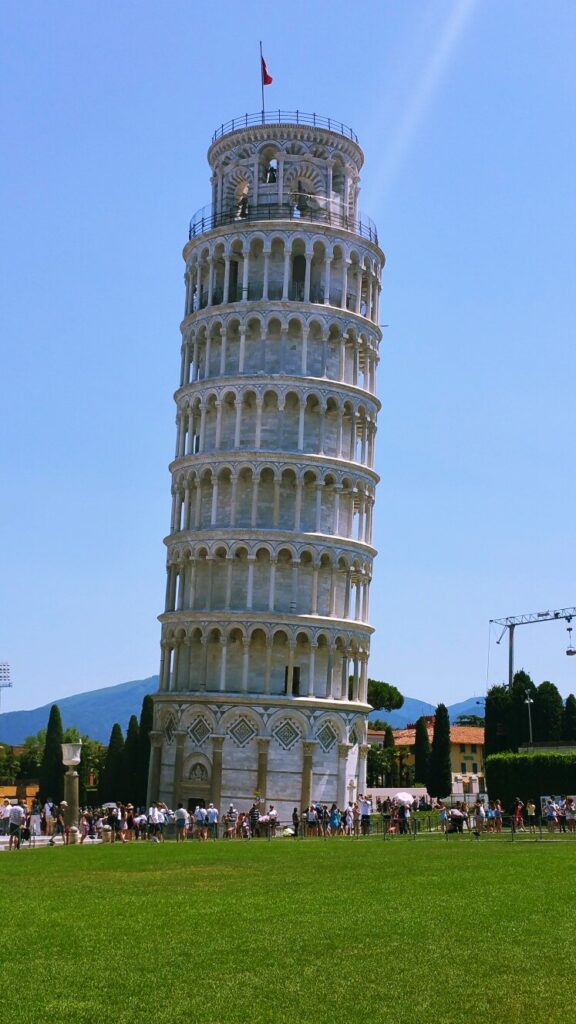
🏛️ Pisa — A Lonely Tower Standing in an Empty Field
When I arrived in Pisa, my first reaction was: “Why is there nothing here?”
I expected a dense tourist zone, but instead found a wide green lawn with just three buildings: the cathedral, the baptistery, and the leaning tower.
It felt strangely empty— so empty that I wondered, “Did an earthquake destroy the rest of the town?”
Surprisingly, that intuition was almost correct.
Pisa was once a powerful maritime republic, but after losing a decisive war to Genoa and after the Arno River silted up, the city declined sharply.
The result? Only the grand buildings of its golden age remain, and the rest of the medieval city simply vanished.
Behind the cathedral stood a wolf statue— no explanation, no sign. Later I learned it was the Lupa, the she-wolf who nursed Romulus and Remus. A symbol of Pisa’s ancient connection to Rome.
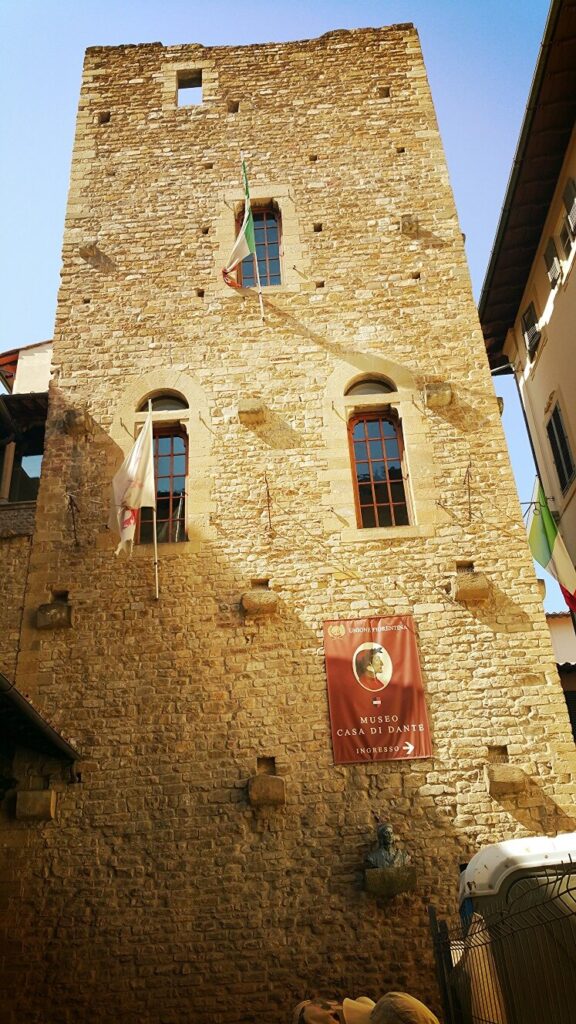
🎨 Florence — The Pain of Standing at Dante’s Door but Not Entering
Florence was breathtaking, but my time there was painfully short.
From the Michelangelo overlook, the city looked like a Renaissance painting— the red dome at the center, the river cutting through the city, the stone streets worn by centuries.
I walked all the way to Dante’s birthplace. I stood right in front of the door. I even took a photo of the nameplate.
But I couldn’t go in.
Group tours don’t allow lingering, and that day we were rushed from place to place.
There’s a special kind of heartbreak when something is far away and you simply can’t reach it. But there’s a deeper heartbreak when you’re right there, at the door, and still have to leave.
I wanted to learn how The Divine Comedy was born, to see the rooms where Dante lived, to feel the air of his time.
As the bus pulled away, I watched Dante’s house disappear behind me and promised myself: “I’ll come back for this.”
🌋 Pompeii — A City Where Time Stopped
Driving south, the landscape shifted into olive groves and hilltop fortresses.
Pompeii felt unreal— too intact, too detailed, too alive for a city buried in ash.
The public baths with their engineering, the natural skylights, the brothel with pictures for illiterate clients, the wagon-wheel grooves carved into stone streets, the glowing stones for night walking.
Pompeii wasn’t a ruin. It was a paused city.
Outside the gate, mountains of lemons glowed under the sun— the true color of Campania.
🌊 Naples — Romance from a far, Reality Up Close
Naples was a city of contradictions.
From a distance, Santa Lucia harbor looked peaceful and beautiful.
Up close, the smell of waste rose from the streets, the alleys were narrow, trash piled in corners, and even statues were covered in bird droppings that made them look bronze from afar.
Naples is a city where beauty and chaos coexist without apology.
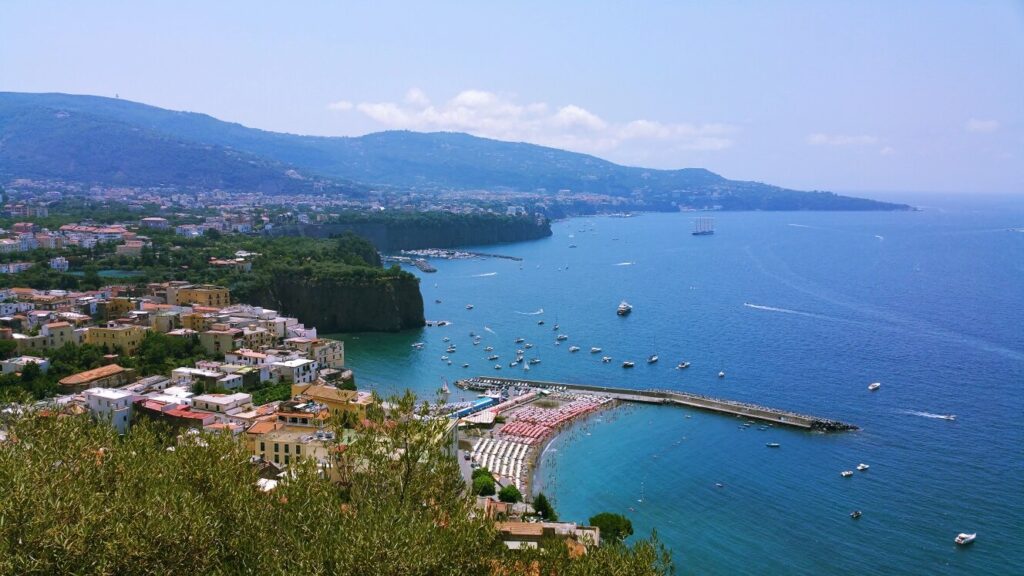
💎 Sorrento — A Sapphire Sea
Some of our group left for Cyprus, and I continued to Sorrento.
From the cliffs, the sea looked like pure sapphire— not reflecting light, but holding it.
The south has its own color, and Sorrento shows it without restraint.
🛣️ On the Road to Rome — Broken Aqueducts in the Fields
Approaching Rome, the scenery suddenly turned ancient.
Broken aqueducts stood in the fields, still stretching across the land like the bones of an empire.
At a rest stop, an Italian woman cut in line at the restroom with a fierce expression. I couldn’t help but laugh quietly— “Ah… Italians have temper too.”
☀️ Rome — The Day the City Became an Oven
Rome welcomed me with heat— not sunlight, but heat.
The stones of the streets were so hot they radiated warmth even at night.
We had planned a walking city tour, but the guide said immediately: “Walking today is dangerous.”
He was right. No shade, hot wind, warm water bottles, sweat that never dried.
We switched to a limousine tour, not for comfort, but for survival.
Through the window, Rome shimmered with heat waves. The city felt like a giant oven.
European summers are hot, but Rome in July is a furnace.
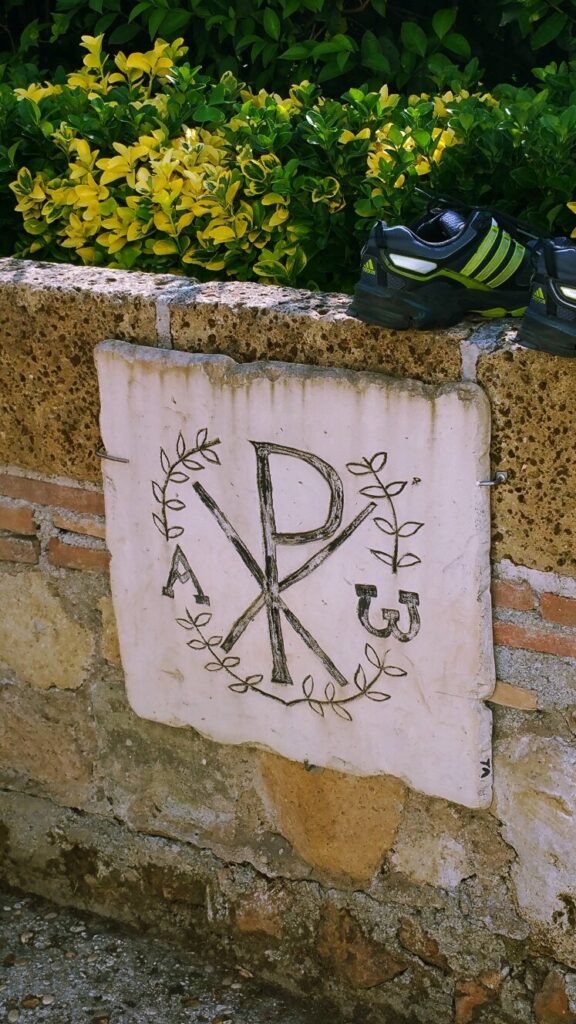
🏛️ Rome — The Heartbeat Beneath the City
I visited the Colosseum, the Roman Forum, the Vatican, the Pantheon, and the Spanish Steps.
Trevi Fountain was under renovation, but sitting on the Spanish Steps with a gelato cone felt like a perfect Roman moment.
Yet the place that stayed with me most was the catacombs.
The damp air, the narrow passages, the simple symbols carved into stone— the lives and deaths of early Christians preserved in silence.
I realized then: Rome’s true heartbeat is underground.
The umbrella pines lining the streets were only 100–200 years old, but in Rome’s landscape even trees feel ancient.
Rome is a city where time bends.
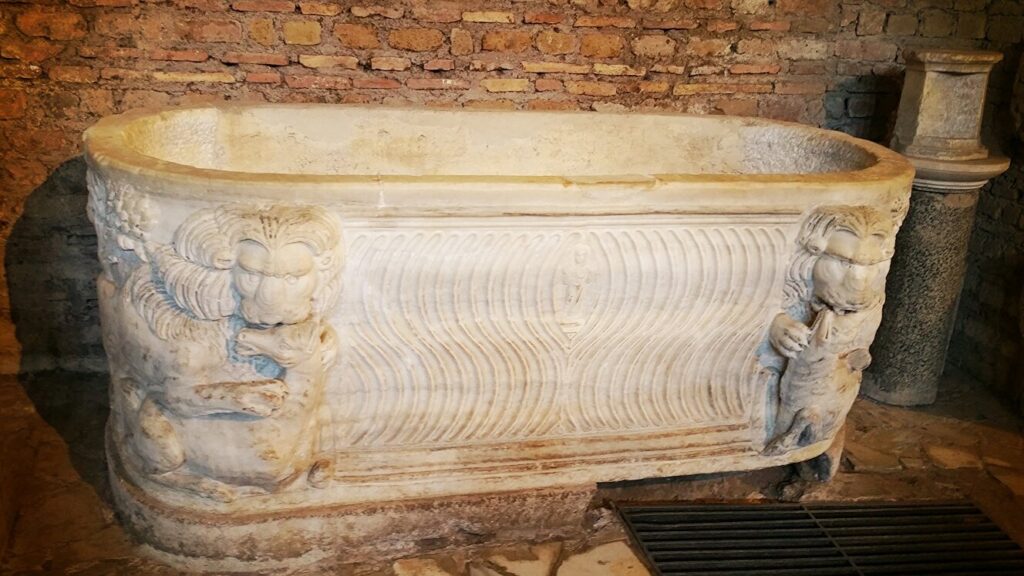
✈️ Returning to Tucson — Carrying the Cities Within Me
Leaving Rome’s stone colors behind, I flew back to Tucson.
The air of Switzerland, the stones of Florence, the frozen time of Pompeii, the contradictions of Naples, the sapphire sea of Sorrento, the ancient pulse of Rome—
This journey wasn’t about seeing cities. It was about feeling their textures.
And those textures stay with me.
🏔️ 스위스 — 한니발이 넘었던 산맥을 직접 넘다
여행의 시작은 스위스였다. 버스가 알프스를 향해 올라갈 때 창밖의 공기는 점점 차가워지고 산맥은 거대한 벽처럼 가까워졌다.
“여기를 한니발이 코끼리를 끌고 넘었다고?” 그 생각이 머릿속에서 계속 맴돌았다.
역사책 속 문장이 눈앞의 풍경으로 바뀌는 순간. 그때부터 여행은 단순한 이동이 아니라 시간을 건너뛰는 경험이 되었다.
🏙️ 밀라노 — 북부의 공기, 여행의 첫 문
알프스를 넘자마자 풍경은 갑자기 도시의 결로 바뀌었다. 밀라노는 북부 특유의 정돈됨과 현대적인 공기가 섞여 있었다.
두오모 광장의 흰 대리석은 햇빛을 받아 반짝였고 사람들은 빠르게 움직였다.
여행의 첫 도시라서 그런지 모든 것이 선명하게 보였다. 건물의 선, 사람들의 속도, 공기의 결. “아, 이탈리아에 왔구나.” 그 감각이 처음으로 확실해진 순간이었다.
🏛️ 피사 — 허허벌판에 덩그러니 놓인 탑의 수수께끼
피사에 도착했을 때 가장 먼저 든 생각은 “어? 왜 이렇게 아무것도 없지?”였다.
피사탑은 유명한 관광지라 주변이 빽빽할 줄 알았는데 넓은 잔디밭 한가운데 성당·세례당·탑 딱 세 개만 덩그러니 놓여 있었다.
그 풍경이 너무 허전해서 순간 이렇게 생각했다. “옛날에 지진이라도 나서 동네가 다 무너졌나?”
그 직관이 놀랍게도 거의 맞았다. 피사는 중세에 해상 공화국으로 번성했지만 제노바와의 전쟁에서 패배하고 강이 퇴적되면서 항구 기능을 잃어 도시가 쇠퇴했다. 그래서 전성기 건물만 남고 나머지는 사라진 도시가 된 것이다.
그리고 성당 뒤에 있던 늑대 석상. 아무도 설명해주지 않았던 그 늑대는 로마 건국 신화의 상징, 로물루스와 레무스를 젖먹여 키운 암늑대(Lupa)였다. 피사가 “우리는 로마의 후손이다”라고 말하는 방식이었다.
🎨 피렌체 — 단테 생가 앞까지 갔는데도 못 들어간 그 아쉬움
피렌체는 짧게 스쳐 지나갔지만 도시의 결은 강렬했다.
미켈란젤로 언덕에서 내려다본 피렌체는 붉은 돔을 중심으로 도시 전체가 하나의 예술 작품처럼 보였다.
우리는 그날 단테 생가 앞까지 갔다. 명패까지 찍었다. 문 앞까지 갔는데… 들어갈 시간이 없었다.
그게 여행자의 마음을 얼마나 찢는지 아는 사람만 안다.
멀리 떨어져 있어서 못 가는 건 그냥 “아쉽다” 정도지만, 코앞까지 갔는데 시간 없다고 쫓기듯 떠나는 건 하늘과 땅만큼 속상함이 다르다.
나는 그날 단테의 신곡이 어떻게 탄생했는지 그 비하인드를 직접 보고 싶었다.
피렌체의 공기, 그의 시대의 거리, 그가 걸었던 돌길, 그가 살았던 집의 내부, 그가 글을 썼던 방의 결.
그 모든 걸 눈으로 확인하고 싶었는데 그룹투어의 속도는 나의 호흡을 허락하지 않았다.
버스가 다시 움직일 때 창밖으로 단테 생가가 멀어지는 걸 보며 “이건 다음에 다시 와서 꼭 봐야겠다” 그렇게 마음속에 작은 결심을 하나 새겼다.
🌋 폼페이 — 2000년 전의 시간이 멈춘 도시
남쪽으로 내려가는 길은 산 꼭대기의 고성들과 골짜기마다 빽빽한 올리브나무들로 이어졌다.
폼페이에 도착했을 때 그 풍경이 너무 현실적이라 “이게 진짜 화산재에 묻혔던 도시 맞아?” 하는 생각이 들 정도였다.
공중 목욕탕의 과학적 설계, 자연광을 이용한 조명, 글을 모르는 손님을 위한 매춘집의 그림, 마차 바퀴 폭에 맞춘 길, 밤길을 위한 천연 야광 돌.
폼페이는 도시가 아니라 시간이 멈춘 박물관이었다.
정문 앞에 산더미처럼 쌓인 레몬은 캄파니아 지역의 진짜 색이었다.
🌊 나폴리 — 멀리서 보면 낭만, 가까이 가면 현실
나폴리는 대비의 도시였다.
멀리서 본 산타 루치아 항은 아름답고 평화로웠다. 하지만 가까이 가면 오물 냄새가 올라와 멀미가 날 정도였다.
협소한 도로, 도시 곳곳의 쓰레기, 화장실 사용료 1유로를 따로 받는 구멍가게, 새똥으로 뒤덮여 멀리서 보면 청동처럼 보이던 석상.
나폴리는 “아름다움과 혼란이 동시에 존재하는 도시”였다.
💎 소렌토 — 사파이어 블루의 바다
일행 중 일부는 사이프러스로 넘어가고 우리는 소렌토로 향했다.
언덕 위에서 내려다본 소렌토의 바다는 완전한 사파이어 블루. 빛이 바다 위에서 반짝이는 게 아니라 바다 자체가 빛을 품고 있는 느낌이었다.
남부의 색이 가장 강렬하게 드러나는 도시. 바다의 깊이가 눈으로 느껴졌다.
🛣️ 로마로 향하는 길 — 들판의 아쿠아덕트
로마가 가까워질수록 창밖 풍경이 갑자기 ‘고대’로 바뀌기 시작했다.
들판 곳곳에 부러진 채 서 있는 아쿠아덕트의 잔해들. 산에서 도시로 물을 끌어오던 고대 로마의 수로.
그 구조물이 아직도 들판에 남아 있다는 사실이 로마 문명의 스케일을 말해주었다.
휴게소에서 화장실 줄을 서다가 화난 표정으로 새치기하는 이탈리아 아줌마를 보고 “아… 이탈리아 사람들도 성깔 있네…” 하고 피식 웃었던 작은 사건도 여행의 일부가 되었다.
☀️ 로마 — 불볕더위가 도시를 집어삼킨 날
로마에 도착한 날, 공기부터 이상했다. 햇빛이 아니라 열기가 도시 전체를 덮고 있었다. 돌길은 낮 동안 뜨겁게 달궈져 밤에도 식지 않고 열을 뿜었다.
원래 계획은 도보 시티 투어였다. 콜로세움 → 포로 로마노 → 판테온 → 스페인 계단까지 걸어서 도시의 결을 느끼는 일정.
하지만 가이드가 첫 문장부터 말했다. “오늘은 걸으면 위험합니다.”
그 말이 과장이 아니었다. 그늘은 거의 없고, 바람은 뜨거운 공기를 실어 나르고, 물은 금방 미지근해지고, 땀은 마르지도 않고 계속 흐르고, 사람들은 그늘을 찾아 몰려 있었다.
우리는 결국 리무진을 대절했다. 그건 선택이 아니라 생존 전략이었다.
창문 너머로 보이는 로마는 걸어서 볼 때와는 또 다른 도시였다. 돌길 위로 뜨거운 공기가 아지랑이처럼 올라오고 도시는 마치 거대한 난로처럼 열을 품고 있었다.
유럽의 7월은 원래 덥지만 로마의 7월은 도시가 열을 품는 계절이었다.
🏛️ 로마 — 지상보다 더 강렬했던 지하의 기억
로마에서는 콜로세움, 포로 로마노, 바티칸, 판테온, 스페인 계단까지 다 봤다.
트레비 분수는 보수 중이었지만 스페인 계단에 앉아 아이스크림콘을 먹으며 로마의 공기를 그대로 느꼈다.
하지만 가장 강렬했던 건 지상의 화려함이 아니라 지하의 카타콤이었다.
습기 찬 공기, 좁은 통로, 벽에 새겨진 단순한 상징들. 초기 기독교인들의 삶과 죽음이 그대로 남아 있는 공간.
나는 그곳에서 “이 도시의 진짜 심장은 지하에 있구나” 라고 느꼈다.
거리의 우산 모양 소나무들은 실제로는 100~200년대가 많지만 로마의 풍경 속에서는 모든 것이 천 년, 이천 년처럼 느껴졌다.
로마는 시간 감각 자체가 흔들리는 도시였다.
✈️ 여행의 끝 — 로마에서 투산으로
로마의 돌색, 대리석색, 황토색을 뒤로하고 나는 다시 투산 으로 돌아왔다.
스위스의 공기, 피렌체의 돌길, 폼페이의 시간, 나폴리의 현실, 소렌토의 바다, 로마의 문명.
이 여행은 도시를 보는 것이 아니라 도시의 결을 읽는 여행이었다.
