
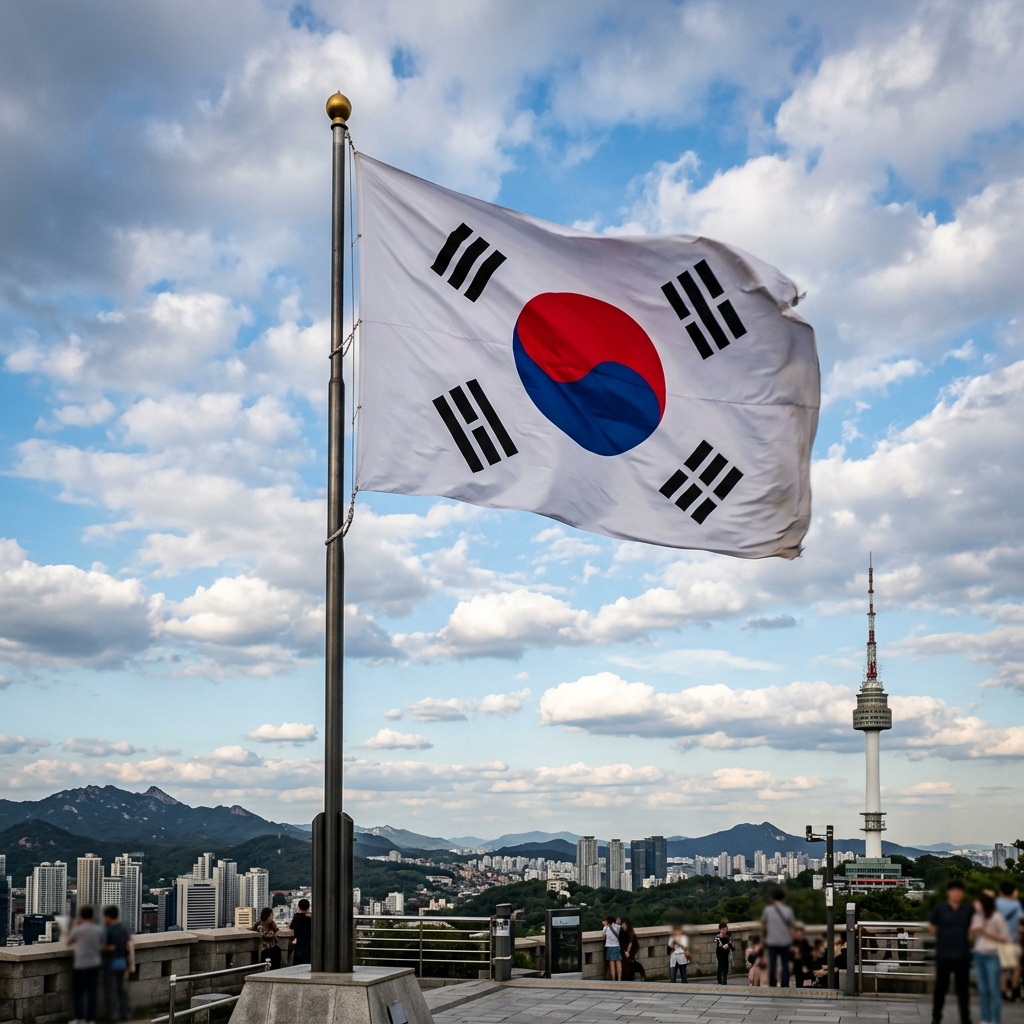
The Meaning of Patriotism on Korea’s Liberation Day
In the 21st century, no government or organization forces patriotism upon us anymore. We live as members of small communities—schools, workplaces, churches, hobby clubs—where each person works like a cog in a larger system that keeps society moving. On this Liberation Day, I spent time reflecting on what patriotism truly means to me.
Patriotism, as I see it, is not grand or dramatic. It is not standing at the front line waving a flag or leading the masses. It is simply holding my place, doing my work faithfully, and giving my best in the small things.
The independence movement was the same. Not everyone fought with guns and blades against the Japanese empire. Some secured routes and passed on geographic information. Some raised funds to supply ammunition and food. Others protected activists from surveillance using their foreign language skills. And when Korean was banned after forced name changes, there were people working underground to compile the first Korean dictionary.
They were not glamorous heroes, but their quiet roles collectively protected the nation.
Learning Patriotism Again Through Life in America
A country cannot function without resources. As citizens, earning honestly and paying taxes honestly is the most basic responsibility that sustains a nation.
In the United States, school budgets seem to shrink every year. When my children were young, every semester required fundraising, and most of the cost came from parents’ pockets. Now I have four grandchildren. The older ones play on a football team that also requires donations each semester. Without those contributions, the team cannot operate, and my grandchildren cannot play.
Through this, I’ve come to understand something important: Supporting the local community ultimately supports my grandchildren’s future.
I donate, I help the school, and I contribute to the small organizations around me—not just to be a “good grandmother,” but because these children are dreaming of a bigger world. One day, they will become members of the national community, carrying forward the responsibilities we uphold today.
Did We Truly Achieve Complete Independence?
Every Liberation Day, I find myself asking the same questions:
Was 1945 truly complete independence? Was it full restoration of sovereignty? Did we have the ability to protect our nation beyond ideological divides?
These questions are not criticism—they are reflection. Political independence came in 1945, but economic, military, and diplomatic autonomy took decades to rebuild. Even today, complete sovereignty remains an ongoing challenge within global structures.
So I accept these doubts as a way to think about how we can build a stronger community.
🌱 The Patriotism I Believe In: Quiet, Steady Responsibility
And so, I continue with the small things. I earn honestly, pay taxes honestly, support my local community, and help my grandchildren dream of a wider world. I hope they grow into citizens who quietly but firmly support the gears of society.
Patriotism is not grand. It is living each day with integrity, pushing my community a little closer to a better direction.
This is the patriotism I believe in— quiet but unwavering, small but enduring.
광복절에 다시 생각한 애국의 의미
21세기를 사는 우리에게 애국심을 강요하는 정부나 단체는 더 이상 존재하지 않는다. 우리는 학교, 직장, 교회, 취미 클럽 같은 작은 조직 속에서 서로 톱니처럼 맞물려 사회를 움직이는 시민으로 살아간다. 그래서 나는 광복절을 맞아 ‘애국이란 무엇인가’를 다시 생각해보는 하루를 보냈다.
내가 생각하는 애국은 거창하지 않다. 앞줄에서 태극기를 흔들며 민중을 이끄는 영웅적 행동도 아니다. 그저 내 자리를 지키고, 맡은 일을 충실히 하고, 작은 일에 최선을 다하는 것이다.
독립운동도 그랬다. 모두가 총칼을 들고 일제와 맞서 싸운 것이 아니었다. 누군가는 후방에서 노선을 확보했고, 누군가는 지리 정보를 전했고, 누군가는 탄약과 식량을 조달했다. 또 어떤 이는 창씨개명 이후 한글이 금지되던 시대에도 언더그라운드에서 최초의 한글 사전을 편찬했다. 그들은 화려한 영웅이 아니었지만, 그들의 작은 역할들이 모여 결국 조국을 지켰다.
미국에서 다시 배우는 ‘작은 애국’의 방식
나라가 운영되려면 당연히 자금이 필요하다. 시민으로서 정직하게 벌고, 정직하게 세금을 내는 것—이 기본적인 책임이 국가 공동체를 지탱한다.
미국 학교 시스템은 예산이 해마다 줄어드는지, 우리 아이들이 다닐 때도 매 학기마다 펀드레이징을 했다. 결국 대부분의 비용은 부모들의 지갑에서 나갔다. 이제 나는 손주가 네 명이다. 큰놈들이 속해 있는 미식축구팀도 매 학기마다 도네이션을 해야 한다. 그래야 팀이 운영되고, 내 손주가 게임에 나갈 수 있다.
나는 이런 구조를 보며 한 가지를 깨닫는다. 지역 공동체에 기여하는 일은 결국 내 손주들의 미래를 지탱하는 일이라는 것. 내가 도네이션을 하고, 학교를 돕고, 작은 조직을 유지하는 데 힘을 보태는 이유는 단순히 ‘좋은 할머니’가 되고 싶어서가 아니다. 그 아이들이 더 큰 세상을 꿈꾸고, 노력하고, 언젠가 국가 공동체의 일원이 되기를 바라기 때문이다.
우리는 정말 완전한 독립을 했는가?
광복절이 되면 나는 늘 같은 질문을 떠올린다.
1945년의 독립은 완전한 독립이었을까? 완전한 주권 회복이었을까? 이념의 차이를 넘어 한민족을 위해 나라를 지킬 능력이 우리에게 있었을까?
이 질문은 비판이 아니라 성찰이다. 정치적 독립은 이루었지만, 경제·군사·외교적 자주성은 이후 수십 년에 걸쳐 점진적으로 회복되었다. 지금도 글로벌 구조 속에서 완전한 자주성은 여전히 과제로 남아 있다. 그래서 나는 이 의구심을 ‘더 나은 공동체를 만들기 위한 질문’이라고 받아들인다.
🌱 내가 믿는 애국: 조용하지만 흔들리지 않는 책임
그래서 나는 오늘도 작은 일을 한다. 정직하게 벌고, 정직하게 세금을 내고, 지역 공동체에 기여하고, 손주들이 더 넓은 세상을 꿈꿀 수 있도록 돕는다. 그 아이들이 언젠가 이 나라의 톱니바퀴 하나가 되어, 조용하지만 단단하게 공동체를 지탱하는 시민이 되기를 바라면서.
애국은 거창하지 않다. 그저 오늘 하루를 정직하게 살아내는 것, 내가 속한 공동체를 조금이라도 더 나은 방향으로 밀어주는 것.
이것이 내가 생각하는 애국이다. 크지 않지만 흔들리지 않는, 조용하지만 지속되는 애국.
