
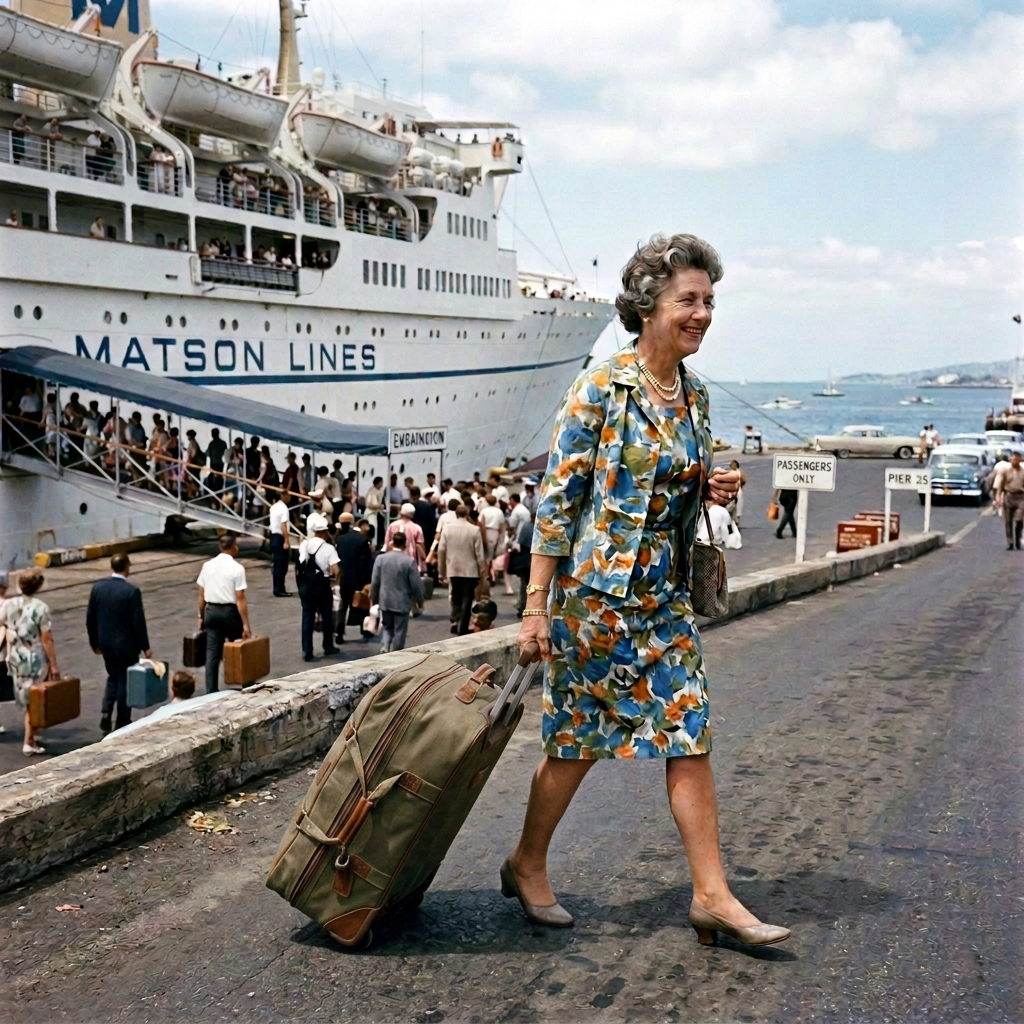
Lately I’ve been wanting to write something light, but somehow I keep drifting toward philosophical topics. So I opened The Art of War again—lighter than The Prince, easier to connect to modern life, and honestly closer to the kind of “light philosophy” I’ve been craving. It’s a book about war, but it applies to everything: relationships, organizations, advertising, even algorithms. And the perfect example showed up in a recent Luhxe luggage ad I stumbled across. I read the whole thing before realizing it was an ad, which already tells you how well-crafted it was.
The story centers on a woman in her sixties who recently lost her husband. For years, she and two other couples traveled together on an annual Mediterranean cruise. When her husband was alive, traveling was easy. She packed too much, but he carried her bags, and no one complained. After he passed away, the group kicked her out. The reason was blunt: she brought too many bags, no one could help her anymore, and they were inviting a younger couple instead. Loss followed by exclusion, just like that. She felt hurt and humiliated, so she called her sister-in-law to vent. The sister-in-law, who travels frequently for work, suggested a solution: a Luhxe suitcase that could fit ten days’ worth of clothes, shoes, even dresses, all in one piece of luggage. She bought it, half skeptical, and said it changed everything. With less baggage, she moved easily, traveled alone without trouble, and felt like she had regained a part of her life. At the end of the story, there was just a quiet little link. Readers responded with “Great story!” and “So touching!”—but the entire thing was a perfectly engineered emotional advertisement.
In The Art of War, Sun Tzu talks about shape—the idea that if you create the right form, others will move within it. This ad does exactly that. It builds a shape made of loss, betrayal, frustration, solution, and recovery. Once that emotional structure is in place, the product slips in naturally. The reader is already inside the shape, so the suitcase doesn’t feel like a sales pitch. It feels like part of the story. That’s how you pull someone in without force.
Sun Tzu also talks about emptiness and fullness—strike where there is emptiness, avoid where there is strength. This ad hits emotional emptiness with precision: an older woman’s grief, her social exclusion, the practical burden of traveling alone, the comforting presence of a family member offering help, and the sense of regaining independence. These are universal vulnerabilities. The ad presses exactly where people feel soft, and places the product right there. And once I read it to the end, the algorithm tagged me as “interested in travel luggage,” which explains why I suddenly started seeing every version of suitcase ads—authentic, knockoff, similar brands, and the entire travel-luggage category.
Sun Tzu never said “win every battle.” The original phrase is bai zhan bu dai—to fight a hundred battles without being endangered. It’s not about victory; it’s about avoiding danger. This ad works the same way. It’s not trying to overpower the reader. It’s trying to move them without resistance. Understand the audience, understand their emotional emptiness, shape the narrative, guide them gently, and you win without fighting. The best victory is the one achieved without battle. I didn’t expect to see that principle so clearly in a piece of modern advertising.
I started out wanting to write something light, and of course it drifted back into structure and psychology. But compared to The Prince, this feels much less heavy. Maybe this is close enough to the “light philosophy” I had in mind.
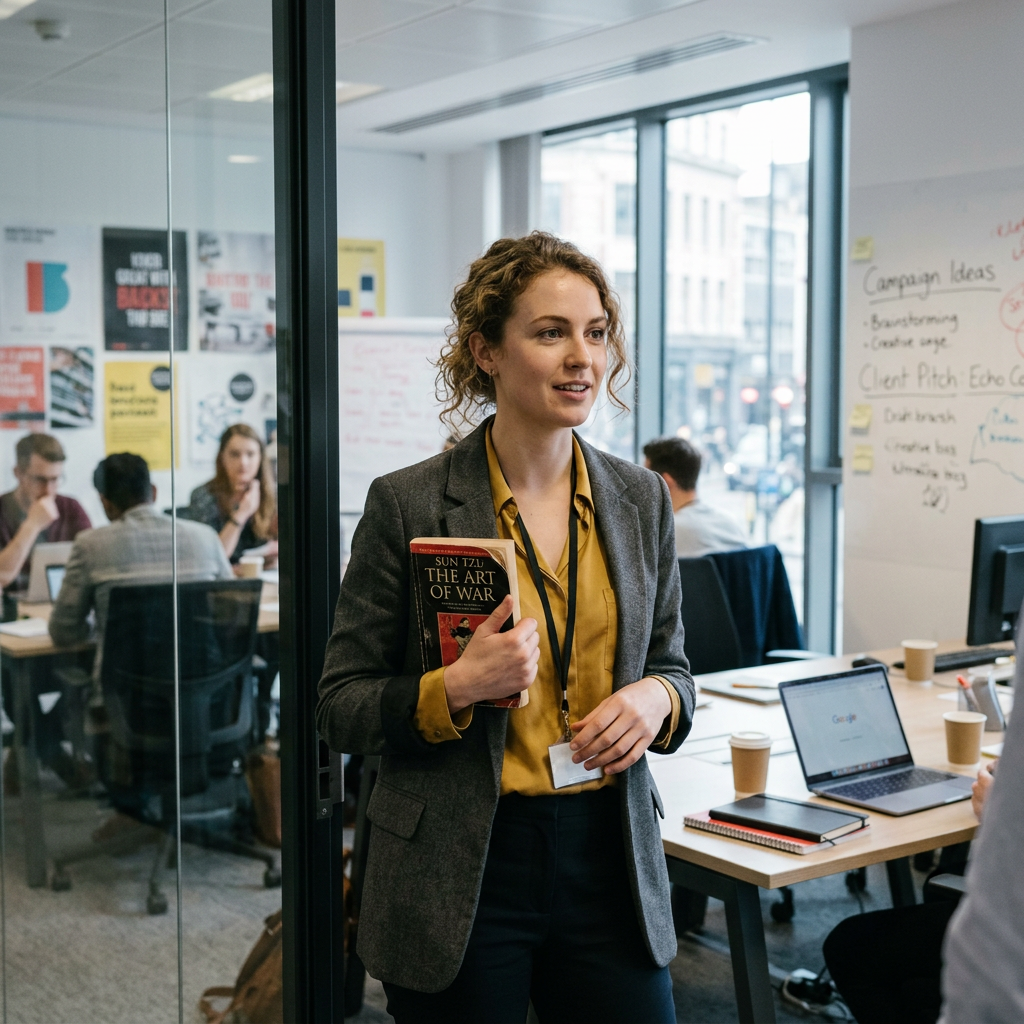
요즘 가벼운 글을 쓰고 싶었는데 이상하게 철학적인 주제만 손에 잡힌다. 그래서 군주론보다 조금 더 가볍고 현대적으로 비유하기 쉬운 손자병법을 다시 펼쳤다. 손자병법은 전쟁 이야기지만 사실 인간관계나 조직, 광고, 알고리즘까지 다 연결된다. 최근에 본 Luhxe 가방 광고가 딱 그랬다. 너무 잘 만들어서 끝까지 읽었는데, 읽고 나서야 “아, 이거 광고였네” 하고 뒤늦게 깨달았다. 주인공은 60대 과부였다. 작년에 남편을 잃었고, 그 전까지는 두 커플과 함께 해마다 지중해 크루즈를 다니던 사람이었다. 남편이 살아있을 때는 여행이 즐거웠다. 짐이 많아도 남편이 도와줬고, 아무도 그걸 문제 삼지 않았다. 그런데 남편이 세상을 떠난 뒤, 그 팀은 그녀를 킥아웃했다. 이유는 단순했다. 짐이 너무 많고, 10일 크루즈 동안 그 가방을 들어줄 사람이 없고, 우리는 젊은 커플을 새로 데려간다는 통보였다. 상실 뒤에 소외가 바로 이어졌다. 그녀는 억울했고 마음이 무너졌다. 그래서 시누이에게 하소연을 했다. 출장이 많은 시누이는 한 가지 해결책을 제시했다. Luhxe라는 브랜드의 여행 가방. 이 가방 하나에 10일치 옷과 신발과 드레스까지 모두 들어간다고 했다. 그녀는 반신반의하면서 그 가방을 샀고, 그 순간부터 여행이 완전히 달라졌다고 말한다. 짐이 줄자 움직임이 가벼워졌고, 혼자서도 문제없이 여행할 수 있게 됐다. 그리고 마지막에 조용히 링크 하나가 놓여 있었다. 독자들은 “Great Story!”라고 감탄한다. 하지만 이 모든 건 감정 구조를 완벽하게 설계한 픽션 광고다.
손자병법에는 형이라는 개념이 있다. 형을 먼저 만들면 상대는 그 형 안에서 움직일 수밖에 없다. 이 광고는 정확히 그 형을 만든다. 상실, 배신, 억울함, 해결책, 회복. 감정의 흐름을 먼저 만들어놓고 그 안에 가방을 넣는다. 독자는 이미 감정적으로 몰입한 상태라 제품이 등장해도 광고라고 느끼지 않는다. 그냥 “이 여자가 다시 여행할 수 있게 됐구나”라고 느낀다. 이게 바로 형을 만들어 상대를 끌어들이는 방식이다. 손자병법에는 허실이라는 개념도 있다. 빈 곳을 찌르고 찬 곳을 피하라는 말인데, 이 광고는 사람들의 감정적 허를 정확히 찌른다. 나이 든 여성의 상실. 여행에서의 소외. 짐이라는 현실적 문제. 해결책을 제시하는 가족. 다시 회복되는 삶. 누구나 공감할 수 있는 구조다. 광고는 그 허를 찌르고 그 안에 제품을 넣는다. 그래서 사람들은 감동하고, 알고리즘은 내가 그 글을 끝까지 읽은 걸 보고 나를 여행용 가방 관심군으로 태그해버린다. 그 결과 정품, 짝퉁, 유사 브랜드, 여행 가방 전체 카테고리 광고가 따라붙는다.
손자는 백전백승이라고 말하지 않았다. 원문은 백전불태, 백 번 싸워도 위태롭지 않다는 뜻이다. 이 광고도 마찬가지다. 이기고 지는 문제가 아니라 위험하지 않게 사람을 움직이게 만드는 구조가 핵심이다. 상대를 알고, 상대의 감정적 허를 알고, 그 허를 찌르고, 형을 만들어 끌어들이면 싸우지 않고 이긴다. 부전승, 싸우지 않고 이기는 것이 최상이라는 말이 요즘 광고에서 이렇게 현실적으로 구현될 줄 몰랐다.
가벼운 글을 쓰려고 시작했는데 역시 구조와 심리로 흘러가긴 했지만 그래도 군주론보다는 훨씬 덜 무겁다. 이 정도면 내가 원하는 “가벼운 철학”에 가까운 글이 된 것 같다
