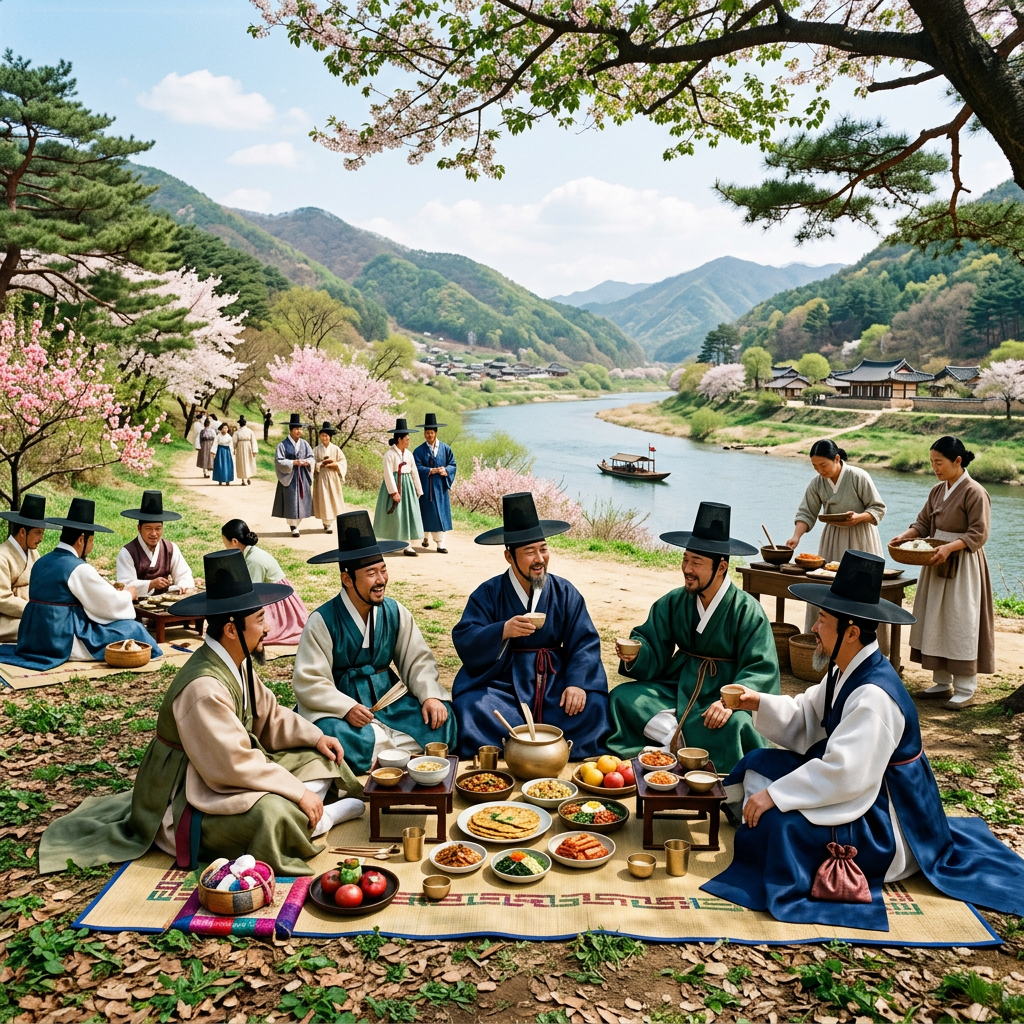
조선 양반 계급은 해체되지 않았다
조선 왕조는 무너졌지만, 그 왕조를 지탱하던 계급 구조는 사라지지 않았다. 양반 계급은 일제강점기에도 관료·경찰·지식인으로 재편되며 살아남았고, 해방 이후에는 정치·법조·관료·언론·재계로 자연스럽게 흘러갔다. 계급은 해체되지 않았고, 형태만 바뀌었다.
그래서 지금도 한국 사회의 엘리트층을 보면 조선 사대부 가문의 후손들이 적지 않다. 그들이 조상처럼 당파 싸움을 그대로 이어간다는 뜻은 아니지만, 교육·재산·인맥·혼맥·지역 기반 같은 사회적 자본은 세대 간 전승되며 현대의 권력 구조를 형성했다.
홍범도 장군의 흉상이 육사에서 철거된 것도 역사보다 이념이 앞설 때 벌어지는 일이다. 독립영웅의 삶보다 그의 사상적 배경이 더 큰 논쟁이 되는 사회. 그건 과거의 잔재가 여전히 작동하고 있다는 증거다.
조선 양반 계급은 해체되지 않았다. 그들은 시대에 맞게 변형되었을 뿐이며, 그 구조는 지금도 한국 사회 곳곳에서 조용히, 그러나 강하게 작동하고 있다.
The Yangban Class of Joseon Was Never Truly Dismantled
The Joseon dynasty collapsed, but the social structure that supported it never disappeared. The yangban aristocracy survived the fall of the kingdom, reorganizing themselves as bureaucrats, police officers, and intellectuals during the Japanese occupation. After liberation, they naturally flowed into politics, law, government, media, and the upper layers of the modern economy. The class did not vanish; it simply changed form.
This is why many of today’s Korean elites still trace their lineage back to old scholar‑official families. They are not reenacting the factional battles of their ancestors, but the social capital—education, wealth, networks, marriage ties, and regional influence—has been passed down intact, quietly shaping the structure of modern power.
The removal of General Hong Beom‑do’s bust from the Korea Military Academy is another example of how ideology can overshadow history. A national hero’s legacy became secondary to debates about his political background. When ideology outweighs historical contribution, it reveals how deeply the remnants of the past still operate.
The yangban class of Joseon was never truly dismantled. It adapted to new eras, and its structure continues to function quietly— yet powerfully—throughout Korean society today.
