Back in Korea — The Final Movements of a Long Journey
When I returned to Korea from Bangkok, the pace of my days didn’t slow down at all. If anything, they sped up. Not a single day was spent quietly at home. My body had just survived Bangkok’s heat, humidity, and endless walking— and Korea greeted me with a completely different kind of movement.
🌱 The Spinach Field — The First Sign I Was Home
One of the first things we did after arriving was visit my younger sister’s husband’s farm. The spinach season was nearly over, so the plants were bowing their heads, heavy and soft, waiting to be picked.
We pulled them out one by one, feeling the cool Korean spring wind on our faces— a sharp contrast to Bangkok’s thick, warm air.
It was the moment I realized, Yes, I’m home.
🌊 Mallipo Beach — Cold Wind, Warm People
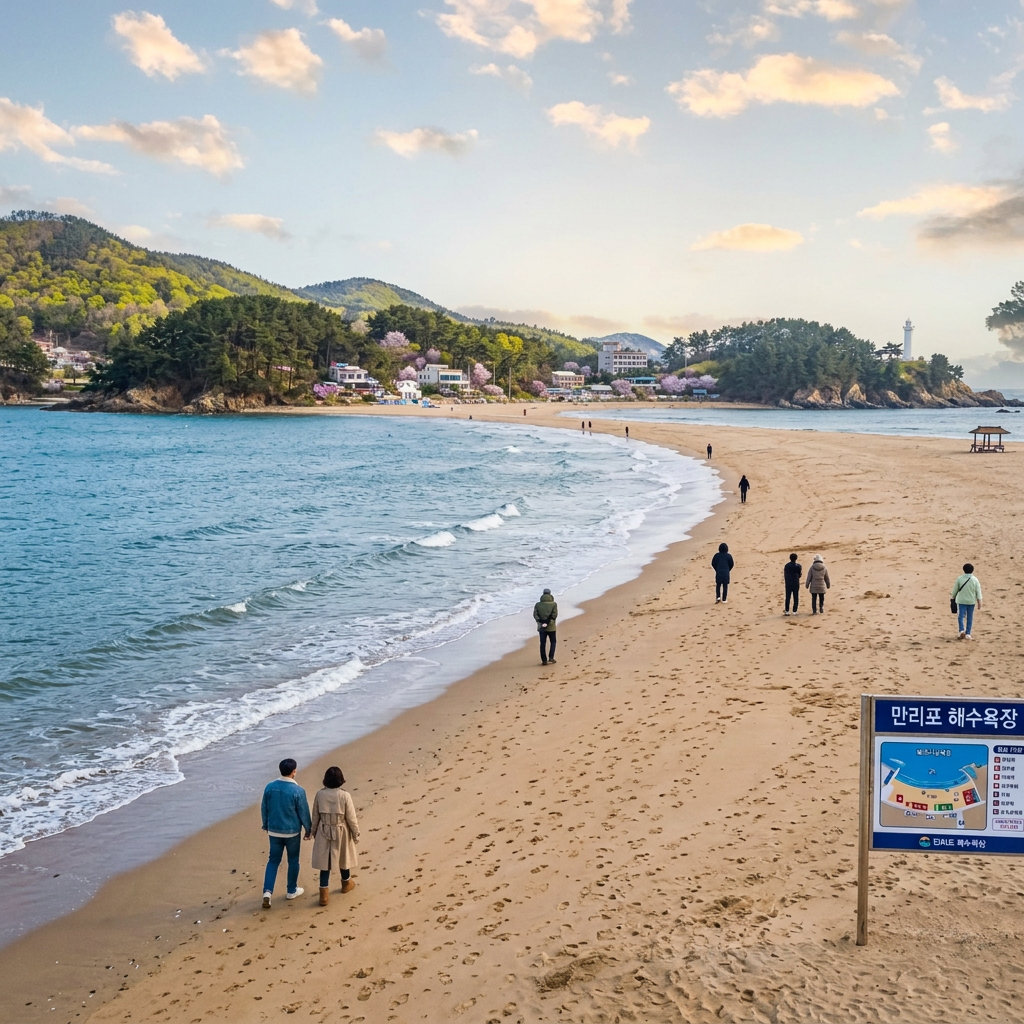
Not far from the farm, we drove to Mallipo Beach. The weather was still chilly, but people were out there anyway, standing in front of the sea as if they had been waiting all winter for that view.
We found a seafood restaurant and ordered spicy crab stew and seafood kalguksu. And I’m not exaggerating when I say this:
It was the best crab stew I’ve ever had in my life. So good that I decided right then and there that I’m coming back next year just for that stew.
We bought dried fish and squid from a small seafood stall near the beach and later grilled them at my mother’s house as a late-night snack. It was simple, salty, warm— the kind of comfort only Korea can give.
🛒 Markets, Eyebrows, and Never-Ending Errands
My sister and I kept moving every day. We went to Suwon Nammun Market, to Haengseong, to anywhere our feet could take us.
In between all that, we even got our eyebrows tattooed and went back twice for touch-ups. Beauty appointments became part of our travel itinerary.
Every day, at least once, we took our mother out for a good meal— unless she insisted on cooking all day, which she often did. Her kitchen never rested.
🚍 Falling in Love With Korea’s Transportation System
One thing we absolutely adored was Korea’s T-money card.
From Botong-ri to Byeongjeom, we could take a bus, and as long as we boarded the subway within three hours, the transfer was free.
If the distance was long, we paid just a few extra coins. The system fascinated us.
We rode the subway from Byeongjeom almost every day, exploring somewhere new each time.
Suwon Station’s underground grocery store and Daiso became our shopping sanctuary. No need to go outside, no need to walk long distances— everything was right there.
And if we had too many bags to carry home, we simply took a taxi. Five dollars later, we were at my mother’s house.
Korea is truly a transportation heaven.
🦶 And Then My Body Finally Said “Enough”
But all this movement— Bangkok’s tens of thousands of steps plus Korea’s tens of thousands more— came with a price.
My Achilles tendon finally gave out.
The last few days in Korea were painful. I could barely walk. Every step felt like a negotiation. Even inside the house, I moved slowly, carefully, like the floor had turned into uneven terrain.
My heart wanted to keep going, but my body had already stopped.
🛬 Back in Tucson — Four Months of Healing
When I returned to Tucson, the real recovery began.
It took four months to meet specialists, get scans, learn proper stretching, change my shoes, adjust my walking pattern, and finally be fitted with custom insoles made specifically for my feet.
It was humbling. It was frustrating. But it was necessary.
⚠️ A Message to Anyone Who Travels Like I Do
If you’re reading this, please—don’t be reckless with your feet the way I was.
Travel makes you excited. New cities make you walk more. Markets, beaches, subways, cafés— they all pull you forward.
But your feet are not infinite. Your Achilles tendon is not a machine. And once it’s injured, it takes months to recover.
Wear proper shoes. Use insoles. Take breaks. Stretch. And listen when your body whispers, because if you ignore it, it will eventually shout.
🌅 And With This, My 2026 Travels Come to an End
From Bangkok’s river breeze to Mallipo’s cold wind, from Asiatique’s music to Suwon’s underground markets, from endless walking to forced stillness— every moment became part of one long, winding story.
And now, with this final chapter, my 2026 travels are officially complete.
한국에서의 마지막 며칠 — 움직임으로 채워진 시간들
한국에 돌아온 뒤, 우리는 단 하루도 가만히 있지 않았다. 방콕에서 BTS를 타고 도시를 누비던 그 리듬이 한국에서도 그대로 이어졌다. 몸은 피곤했지만, 마음은 계속 움직이고 싶어 했다.
🌱 농장에서 시작된 한국의 일정
한국에 돌아온 다음날 우리는 막내동생 남편의 농장을 방문했다. 끝물 시금치가 밭에서 고개를 숙이고 있었고 우리는 그 시금치를 하나씩 뽑으며 “아, 진짜 한국에 돌아왔구나” 그 감각을 다시 확인했다.
흙 냄새, 바람, 시금치의 촉감— 방콕의 강바람과는 완전히 다른 종류의 현실이었다.
🌊 만리포 — 바람은 차가워도 사람들은 바다를 찾는다
농장에서 멀지 않은 만리포 해수욕장에도 들렀다. 날씨는 아직 쌀쌀했지만 바다를 보러 온 사람들은 많았다.
우리는 해산물 식당에서 꽃게 매운탕과 해물 칼국수를 먹었다. “내가 먹어본 꽃게탕 중 단연코 1등. 그 자리에서 바로 “내년에도 다시 오자”라는 결심이 생겼다.
직판장에서 말린 생선과 오징어를 사와 엄마네 집에서 저녁 간식처럼 구워 먹었다. 그 순간은 참 한국적이고, 참 가족적이고, 참 따뜻했다.
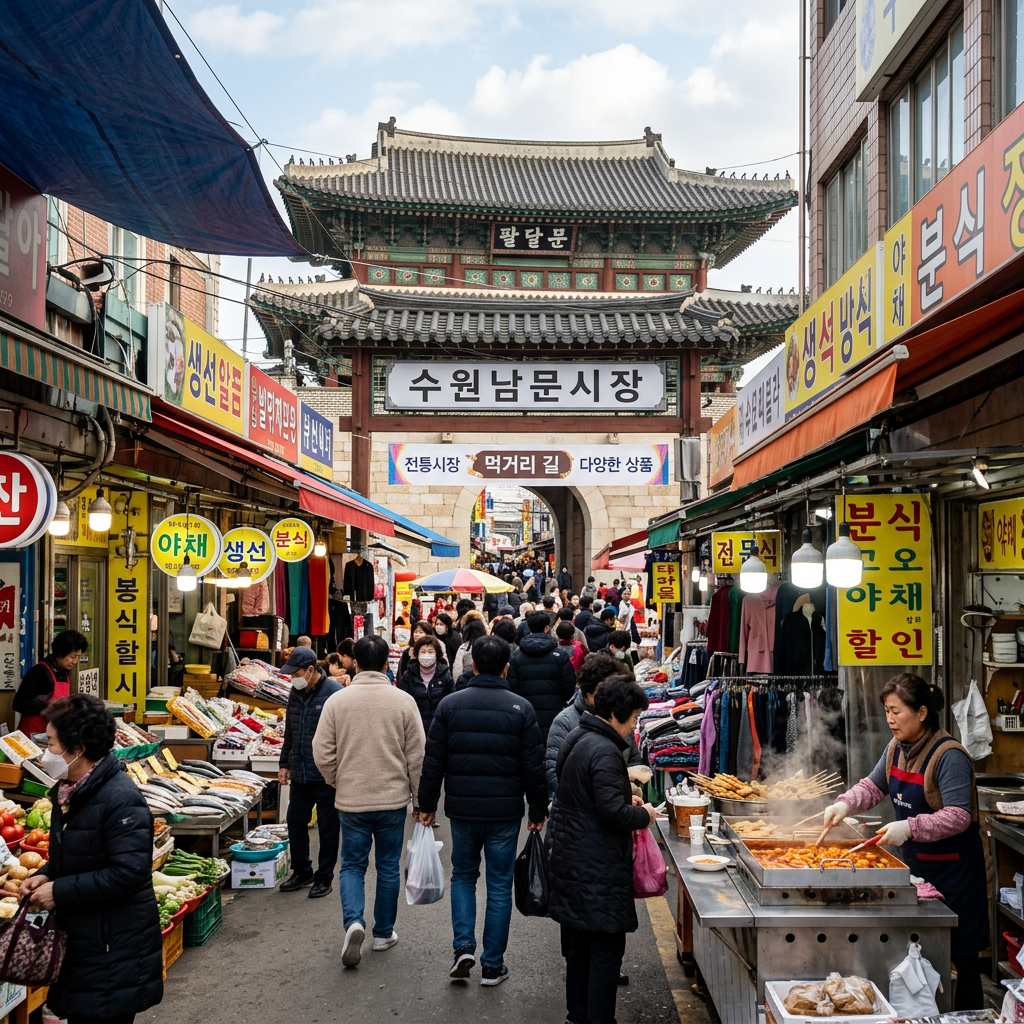
🛒 수원 남문시장과 화성행궁 — 동생과의 끝없는 외출
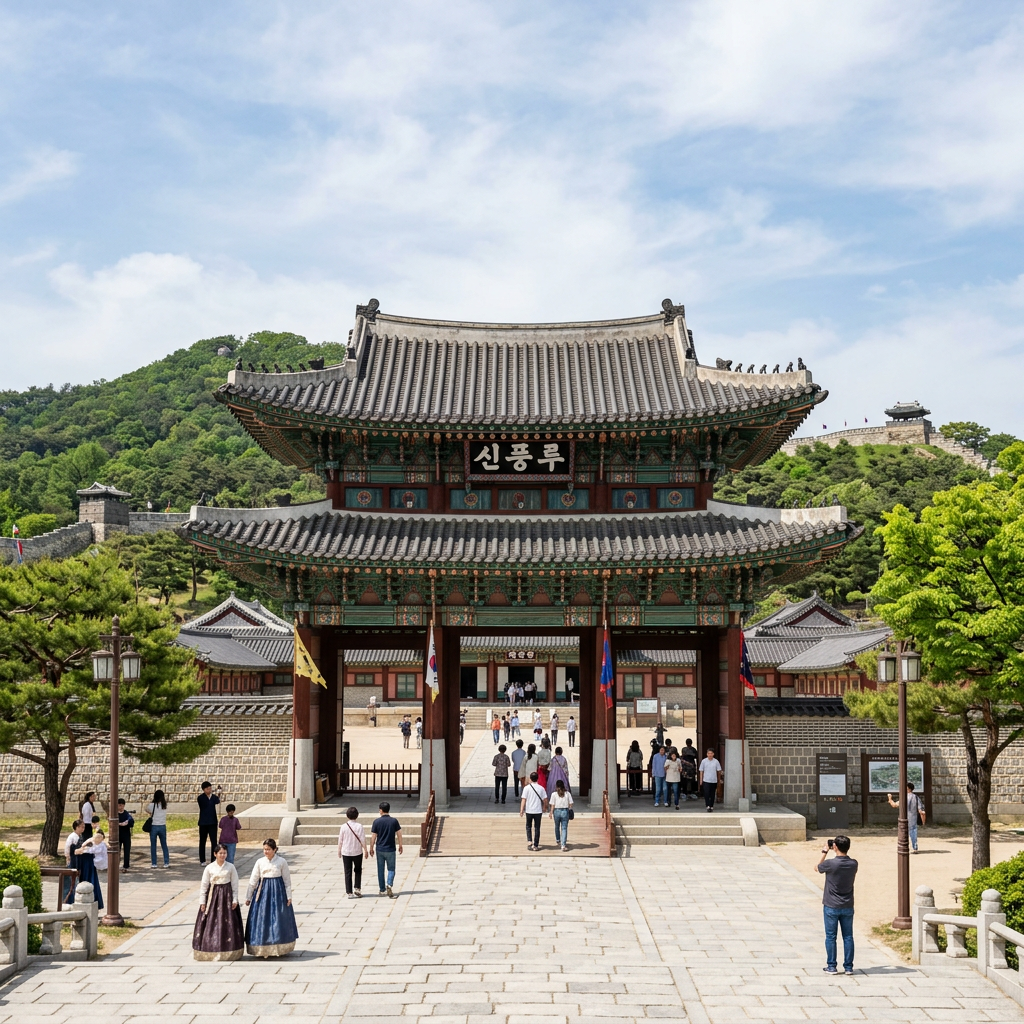
그 다음날 우리는 수원 남문시장과 화성행궁을 다녀왔다. 정말로 하루도 집에 조용히 앉아 있었던 날이 없었다.
중간중간 눈썹 문신도 하고, 리터치도 두 번이나 가고, 미용 일정까지 빡빡하게 들어 있었다.
🍽️ 엄마와의 식사 — 하루 한 번은 꼭 외식
하루에 한 번은 엄마를 모시고 식당에서 맛있는 음식을 사 먹었다. 아니면 엄마가 하루 종일 부엌에서 나오질 못하셨다. 엄마네 집은 늘 따뜻했고, 늘 뭔가 끓고 있었고, 늘 냄새가 좋았다.
🚍 T-money Card — 한국 교통 시스템에 완전히 반하다
한국에서 우리가 가장 감탄한 건 T-money 카드였다.
보통리에서 병점까지 버스를 타고, 3시간 안에 지하철을 타면 무료 환승. 거리가 멀면 몇백 원만 더 내면 되고.
이 시스템은 우리를 완전히 매료시켰다.
동생과 나는 거의 매일 병점에서 지하철을 타고 어딘가를 계속 다녔다.
수원역 지하의 그로서리 상점과 다이소는 우리의 쇼핑 성지였다. 밖으로 나가지 않아도 되고, 오래 걷지 않아도 되고, 필요한 걸 다 살 수 있었다.
병점역에서 짐이 너무 많아 버스정류장까지 가기 힘들면 그냥 택시 타면 5불. 엄마네 집 도착.
한국은 정말 교통 천국이었다.
🦶 그리고 마지막 며칠, 내 몸이 멈춰버렸다
방콕과 한국에서 몇십만 보를 걷고 또 걸은 결과, 내 아킬레스건은 결국 버티지 못했다.
마지막 며칠은 걸음을 제대로 못 걸어서 계단도 힘들고, 시장도 힘들고, 심지어 집 안에서도 움직이기 어려웠다.
여행은 즐거웠지만 몸은 분명히 신호를 보내고 있었다. “이제 그만.”
🛬 투산으로 돌아와서 — 4개월의 회복
투산으로 돌아온 뒤, 나는 4개월 동안 전문의에게 진단을 받고 검사도 하고 걸음 패턴도 체크하고 신발도 바꾸고 스트레칭도 배우고 마침내 내 발에 맞는 인솔을 갖게 되었다.
전문의는 “이 정도로 걷는 사람은 발 관리가 필수”라고 말했다. 나는 그 말을 깊이 새겼다.
⚠️ 독자들에게 — 제발 나처럼 무모하게 걷지 말길
이 여행기를 읽는 사람들에게 꼭 말하고 싶다.
제발 나처럼 무모하게 걷지 말길.
여행이 즐겁다고 몸이 괜찮아 보인다고 계속 걷고 또 걷다 보면 아킬레스건은 조용히, 그러나 확실하게 항의한다.
발은 생각보다 섬세하고 생각보다 빨리 지치고 생각보다 오래 회복이 걸린다.
좋은 신발, 좋은 깔창, 적당한 휴식, 그리고 “멈춰야 할 때 멈추는 용기”— 이게 여행에서 가장 중요한 장비다.
🌅 그리고 올해 여행은 여기서 진짜 끝난다
방콕의 열기, 짜오프라야강의 물길, 아시아티크의 밤공기, 왕랑시장의 소란, 아이콘시암의 시원함, BTS 위에서 내려다본 도시, 그리고 한국의 남문시장, 만리포, 병점, 엄마네 집.
그 모든 장면 위에 내 아킬레스건의 항의와 투산에서의 회복까지 더해져서 2026년 여행기는 완전히 닫혔다.