

For all most forty years of living in America, I have felt an invisible wall every single day. It never announced itself loudly, but it was always there— in the tone of a voice, in a glance, in the way people treated me.
I still remember my very first day as an immigrant in Denver. I went to Sears to buy something I needed. A white woman was working at the counter. There was no one else in line, yet when I approached to pay, she suddenly pretended to be busy and told me to “stand in line.” And the moment a white American woman walked up behind me, she rang her up immediately.
That was the day I learned— on Day 1 of my immigrant life— that I was an outsider, a second citizen, someone who would never fully belong.
Since then, the invisible wall has followed me everywhere. A quiet distance, a subtle dismissal, a thousand small moments that told me I was not one of “them.” I endured it silently, because that is what immigrants do.
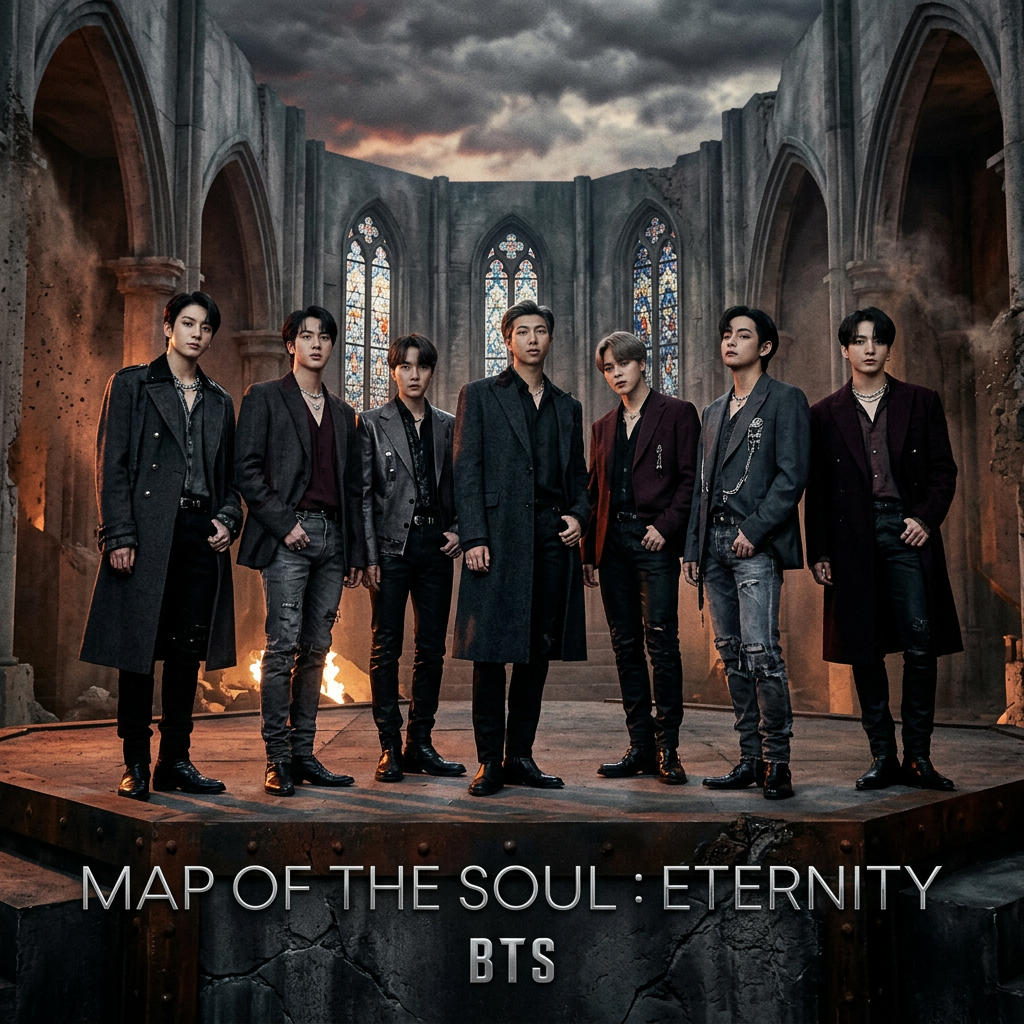
So when BTS announced they would not submit to the Grammys, I felt something deep inside me move. Not just as a fan, but as a Korean, as an immigrant, as an ARMY who has lived behind that wall for decades.
Their decision was not merely about music. It was a clear refusal of a system that divides artists by language, region, and race— a system I have lived under for most of my life.
In that moment, I remembered myself standing at that Sears counter, alone, unseen, unprotected. And this time, it felt like someone was finally speaking for me.
BTS’s boycott felt like a small but powerful act of justice— a quiet revenge for all the moments I swallowed my pride and kept going.
And then I thought of Bong Joon-ho’s words at the Oscars. I don’t remember the exact phrasing, but I will never forget the tone:
“The Oscars are a local American awards show. Thank you for inviting us to your big local party.”
With one elegant sentence, he placed the so-called “global authority” back in its proper place. A reminder that no matter how big the stage looks, it is still just a local celebration with a very specific audience.
BTS’s decision carries the same spirit. When a system believes it is the center of the world, it is often the immigrants, the Asians, the outsiders who feel the weight of that illusion the most.
This time, we were the ones saying that their “big local party” is no longer our dream stage.
I fully understand and wholeheartedly support their choice. Their voice reached me— a Korean immigrant who has lived forty years behind an invisible wall. And for the first time, I felt seen.
40여 년의 이민 생활 동안 나는 날마다 보이지 않는 벽을 느끼며 살아왔다. 그 벽은 말로 설명되지 않고, 표정과 시선과 태도 속에서 조용히 존재했다.
덴버에서의 첫날, 필요한 물건 하나 사려고 시어즈 백화점에 갔던 그 순간을 나는 아직도 잊지 못한다. 카운터엔 백인 직원이 있었고 아무도 없던 계산대 앞에서 나는 “줄 서라”는 말을 들었다. 그리고 바로 뒤에 온 백인 아줌마에게는 아무 말 없이 계산을 해주었다.
그날, 나는 미국 땅에 발을 디딘 첫날부터 이방인, 2nd citizen이라는 이름표를 달고 살아야 한다는 걸 몸으로 배웠다.
그 이후로도 보이지 않는 벽은 늘 내 앞에 있었다. 말하지 않아도 알 수 있는 거리감, 설명할 수 없는 차별의 결, 그 속에서 나는 묵묵히 살아왔다.
그래서 BTS가 그래미 출품을 보이콧하겠다고 선언했을 때 나는 단순히 팬으로서가 아니라 한국인으로서, 이민자로서, 아미로서 가슴 깊은 곳에서 울컥하는 감정을 느꼈다.
그들의 선택은 단순한 음악적 결정이 아니라 언어와 국적과 지역으로 사람을 분리하는 오래된 구조에 대한 단호한 거절이었다.
그 순간, 나는 40년 전 시어즈 카운터 앞에서 아무도 내 편이 되어주지 않았던 그 장면이 떠올랐다. 그리고 이번엔 누군가가 내 설움을 대신 말해준 것 같았다.
BTS의 보이콧은 내가 겪어온 작은 상처들, 말하지 못했던 순간들, 견뎌온 시간들에 대한 작지만 강한 복수처럼 느껴졌다.
그리고 나는 봉준호 감독이 아카데미에서 했던 그 말을 떠올렸다. 정확한 워딩은 기억나지 않지만 그 톤은 잊히지 않는다.
“아카데미는 미국의 로컬 영화제다. 그 큰 로컬 잔치에 초대해줘서 고맙다.”
그 말은 세계 최고 권위라고 포장된 구조를 한순간에 제자리에 돌려놓았다. “로컬은 로컬일 뿐”이라는 사실을 우아하게, 정확하게, 유머로 말해버린 순간이었다.
BTS의 그래미 보이콧도 그와 같은 결이었다. 거대한 시스템이 스스로를 세계의 중심이라 착각할 때 한국인들이, 아시아인들이, 이민자들이 조용히 겪어온 그 벽을 정면으로 건드린 선택이었다.
나는 그들의 결심을 완전히 이해하고 온 마음으로 지지한다. 그들의 목소리는 나의 40년을 위로해주는 울림이었다.
그리고 이번엔 그 로컬 잔치가 우리에게 더 이상 “꿈의 무대”가 아니라는 걸 우리가 말할 차례였다
