
oday, Tucson felt unusually quiet and hot. The sunlight clung to the walls, and the air in my room felt heavy. It was the kind of afternoon when I didn’t want to move.
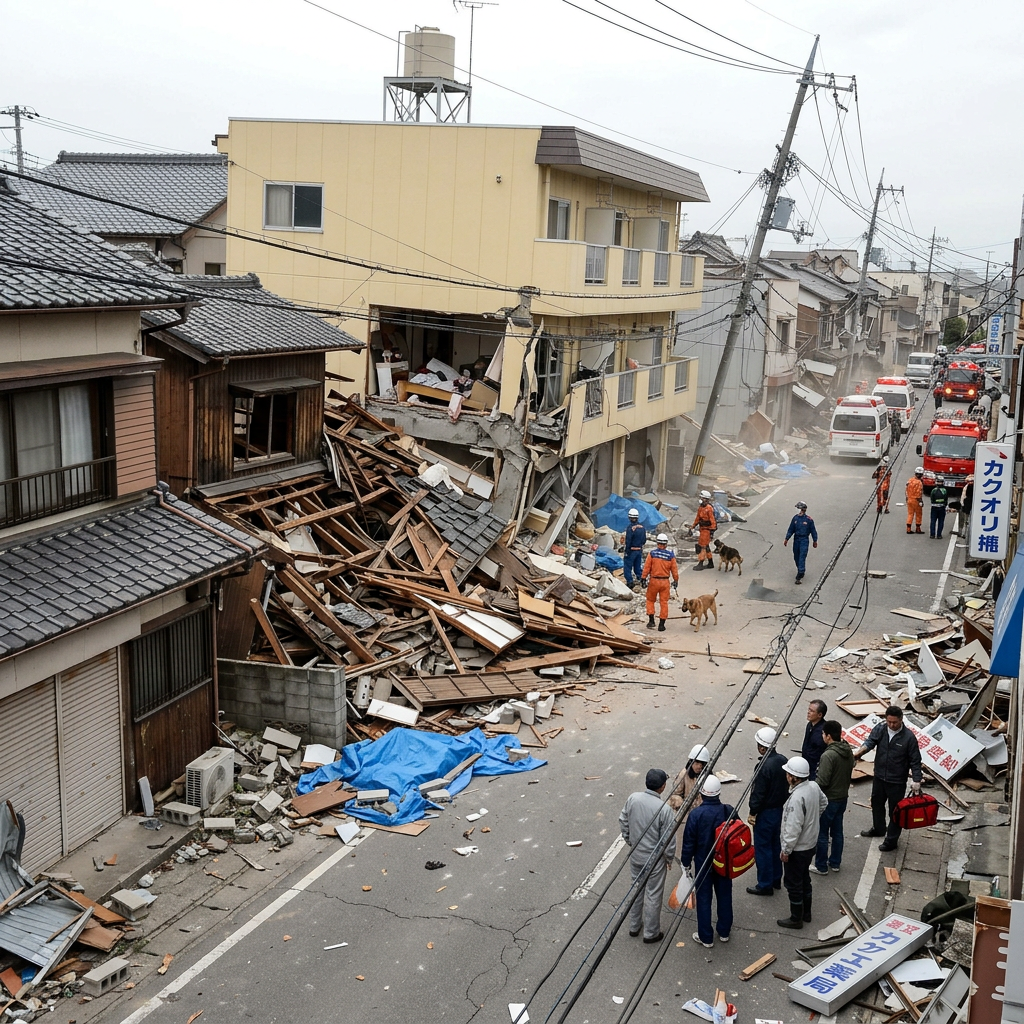
Meanwhile, the news kept reporting updates on the earthquake in Japan. It wasn’t a single event—aftershocks were continuing, dozens of them. A small caption at the bottom of the screen kept saying that the ground was still shaking.
Reports came in that people had been found dead in the collapsed department store, and rescue teams were digging through the debris. The contrast between Tucson’s stillness and Japan’s chaos felt unreal. My room was quiet, yet the people on the screen were running nonstop.
I once read the manga “Japan Sinks.” A story about a country slowly going under. The uneasy atmosphere of that story overlapped with today’s news. Japan didn’t look like a place that had suffered a disaster— it looked like a place still inside the disaster. The aftershocks hadn’t stopped, and officials said stronger shaking could come in the next two or three days. That made the whole situation feel heavier.
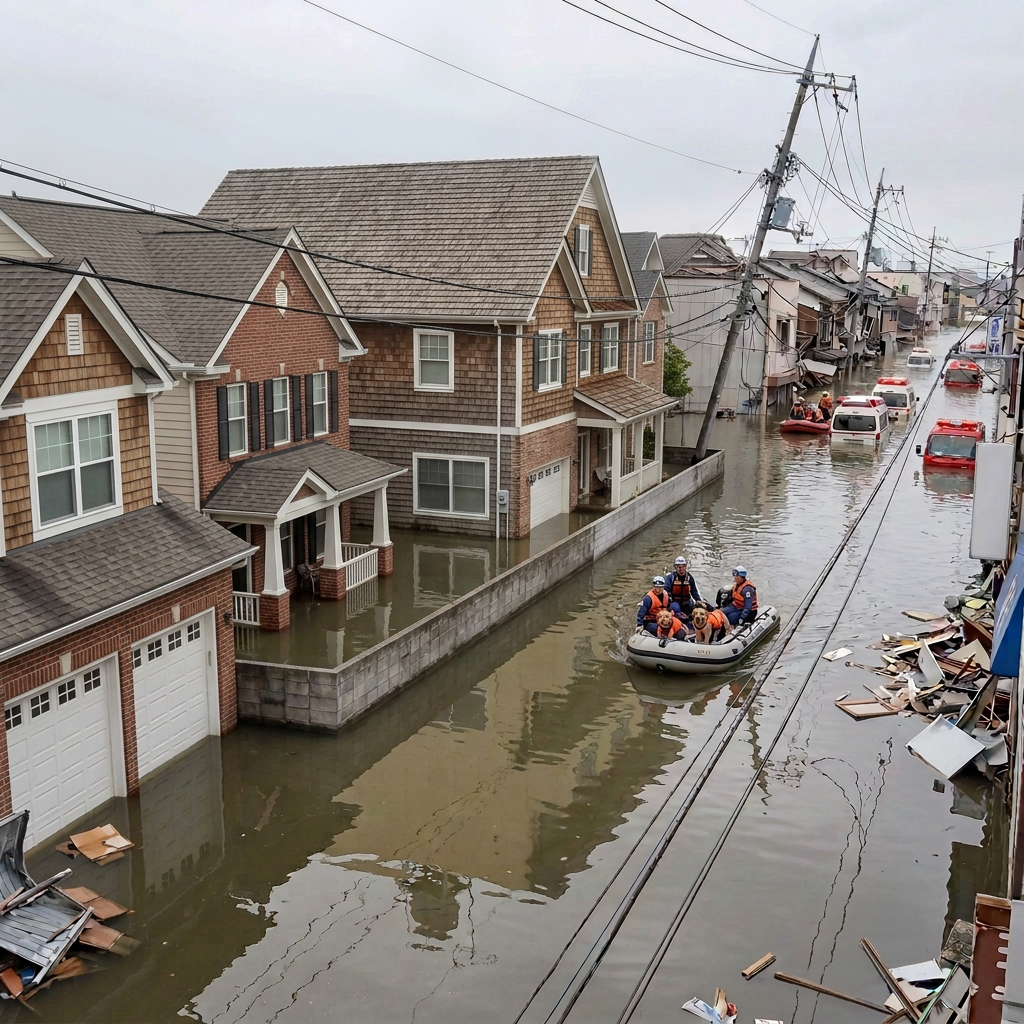
Tucson is dry and mild for most of the year, so words like flood or earthquake don’t land on my skin. Even when I hear that California is flooding, I find myself wondering how water doesn’t just drain into the ocean right next to it. It’s a landscape I can’t easily imagine from here.
In a single day, Tucson’s hot stillness, California’s floods, and Japan’s ongoing earthquake all existed at once. The weight of that contrast pressed on me. The world seemed to be shaking in different directions, and I was sitting in a quiet room, listening to it all.
오늘 투산은 이상할 만큼 조용하고 뜨거웠다. 햇빛이 벽에 붙어 있는 것처럼 느껴지는 날씨. 움직이기 싫은 오후였다.
그런데 뉴스에서는 일본의 지진 소식이 계속 흘러나왔다. 지진이 한 번 끝난 게 아니라, 여진이 수십 번 이어지고 있다는 말이 반복됐다. 지금도 흔들리고 있다는 자막이 화면 아래에서 계속 지나갔다.
무너진 백화점 건물에서 숨진 사람들을 발견했다는 소식이 나오고, 구조대가 잔해 사이를 헤집고 있다는 영상이 이어졌다. 투산의 고요함과 일본의 혼란이 너무 대조적이라 현실감이 잘 오지 않았다. 내 방은 조용한데, 화면 속 사람들은 계속 뛰어다니고 있었다.
옛날에 망가 ‘일본침몰’을 본 적이 있다. 나라가 서서히 가라앉는 이야기였는데, 그 작품 속의 불안한 공기가 오늘 뉴스와 겹쳐 보였다. 지금 일본은 단순한 재난이 아니라 “현재 진행형”의 흔들림 속에 있는 나라처럼 보였다. 여진이 멈추지 않고, 앞으로 2–3일 동안 더 강한 흔들림이 올 수 있다는 말이 반복됐다. 그게 더 불안하게 느껴졌다.
투산은 연중 대부분이 건조하고 온화해서 홍수나 지진 같은 단어가 피부로 와닿지 않는다. 옆 주인 캘리포니아에서 홍수가 났다는 소식을 들어도 바다 바로 옆인데 왜 물이 안 빠지지, 그런 의구심이 먼저 든다. 투산에서는 상상하기 어려운 풍경들이다.
같은 하루 안에 투산의 뜨거운 고요함, 캘리포니아의 홍수, 일본의 지진이 동시에 존재한다는 게 묘하게 마음을 눌렀다. 세계가 여러 방향으로 흔들리고 있는데 나는 조용한 방 안에서 그 소식을 듣고 있었다.
