A Nation Living in Fantasy, People Searching for Reality
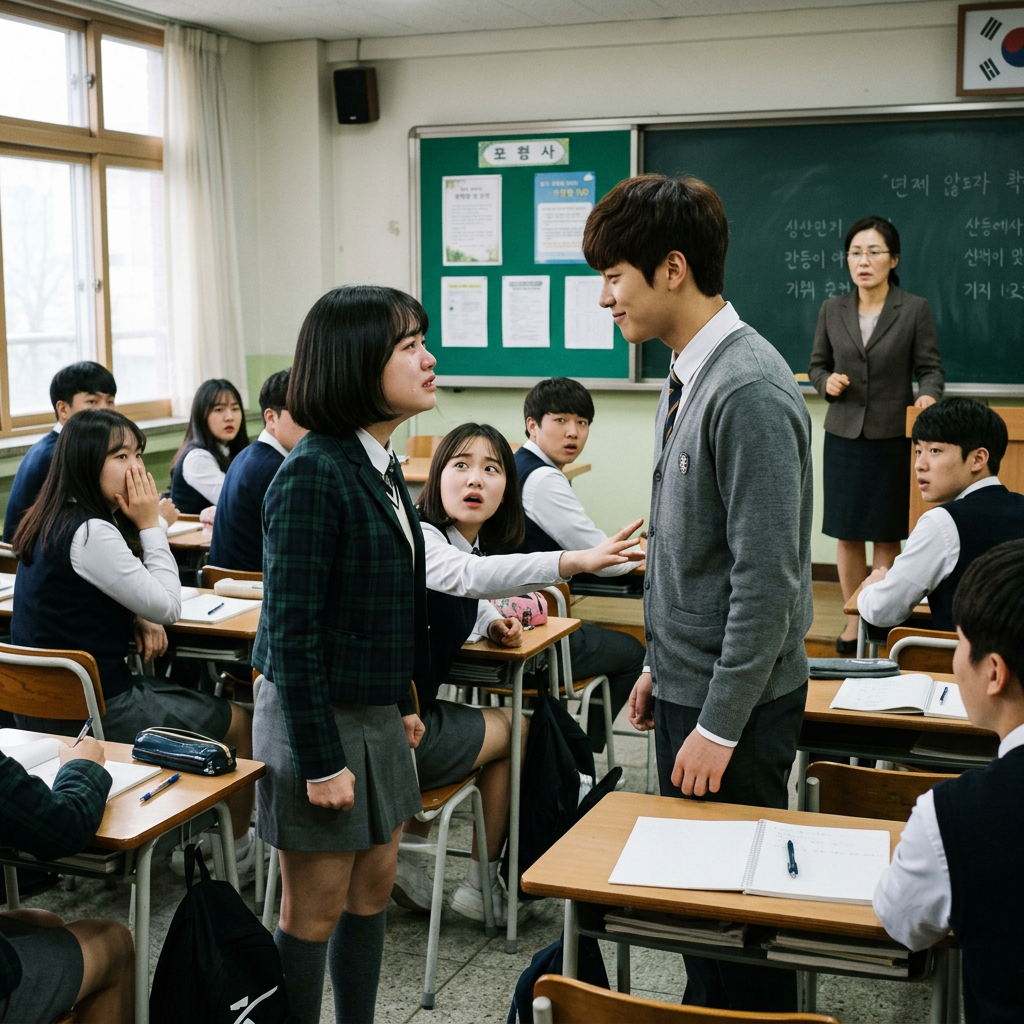
Last night, someone from China visited my blog. In a country where Netflix is blocked and Korean content cannot enter legally, someone found a detour to read my writing. Seeking what is forbidden is, in a way, a sign of affection. Yet they also criticize Korea, These days, Chinese TikTokers come to Korea, take pictures of watermelon prices, and repeat that old ‘watermelon meme’ mocking Korea as “a poor country where ordinary people can’t even afford a single watermelon.” . That contradiction isn’t emotional—it’s structural. Praise is risky, criticism is safe. So criticism becomes the default etiquette of the Chinese internet. I wanted to look at that structure for a moment.
China’s content blockade isn’t about disliking Korea. It begins with fear—fear that external information might shake domestic opinion. Platforms are blocked, censorship is tightened, domestic services are protected. Foreign content is easily banned. When legal access disappears, people turn to illegal routes. Forbidden content spreads even further. That paradox has long shaped the Chinese internet.
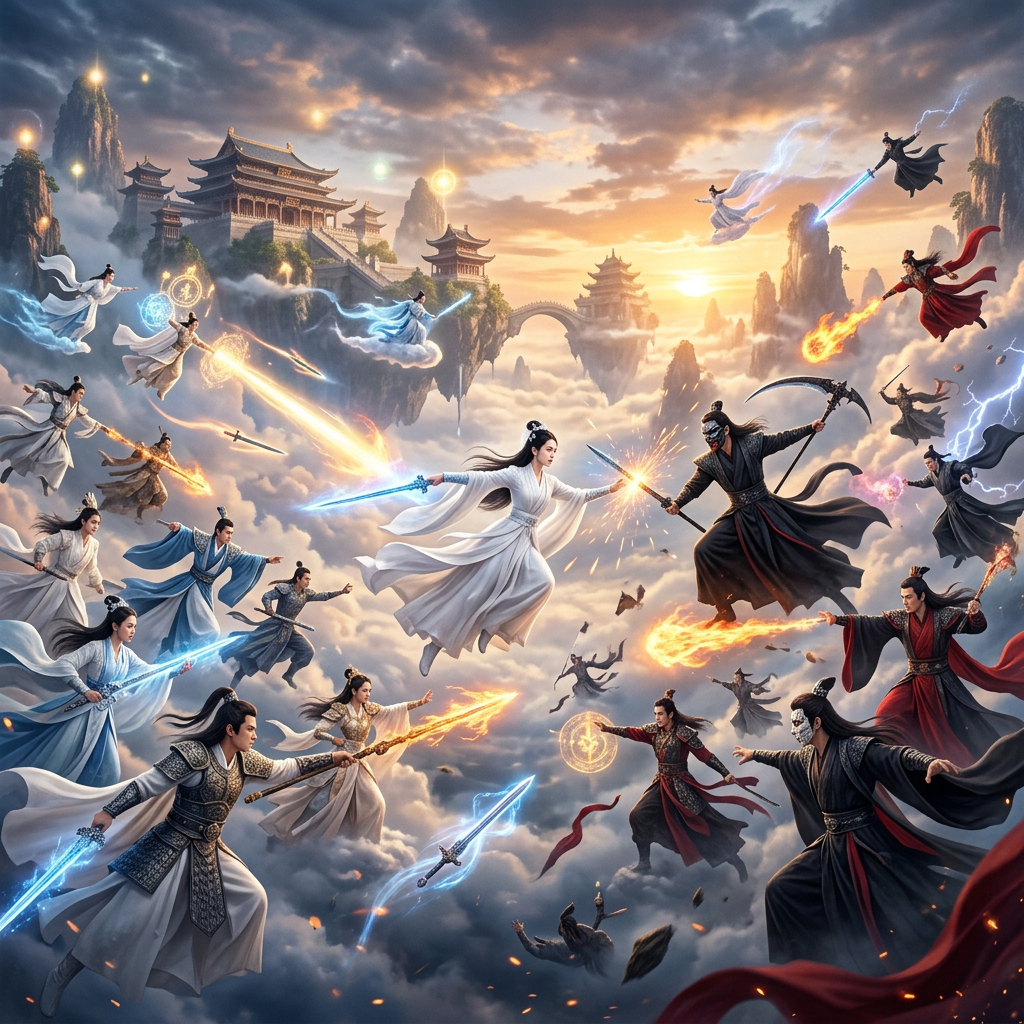
Chinese costume dramas always depict celestial gods and Taoist immortals in love. Heroes fly through the air, fire bursts from their hands, and martial arts masters save the world. The screen always returns to Qing dynasty palaces— jealous concubines, betrayal, endless intrigue. A world that never existed repeats endlessly. Reality is dangerous; fantasy is safe. So people remain inside fantasy, and reality slips quietly out of frame.
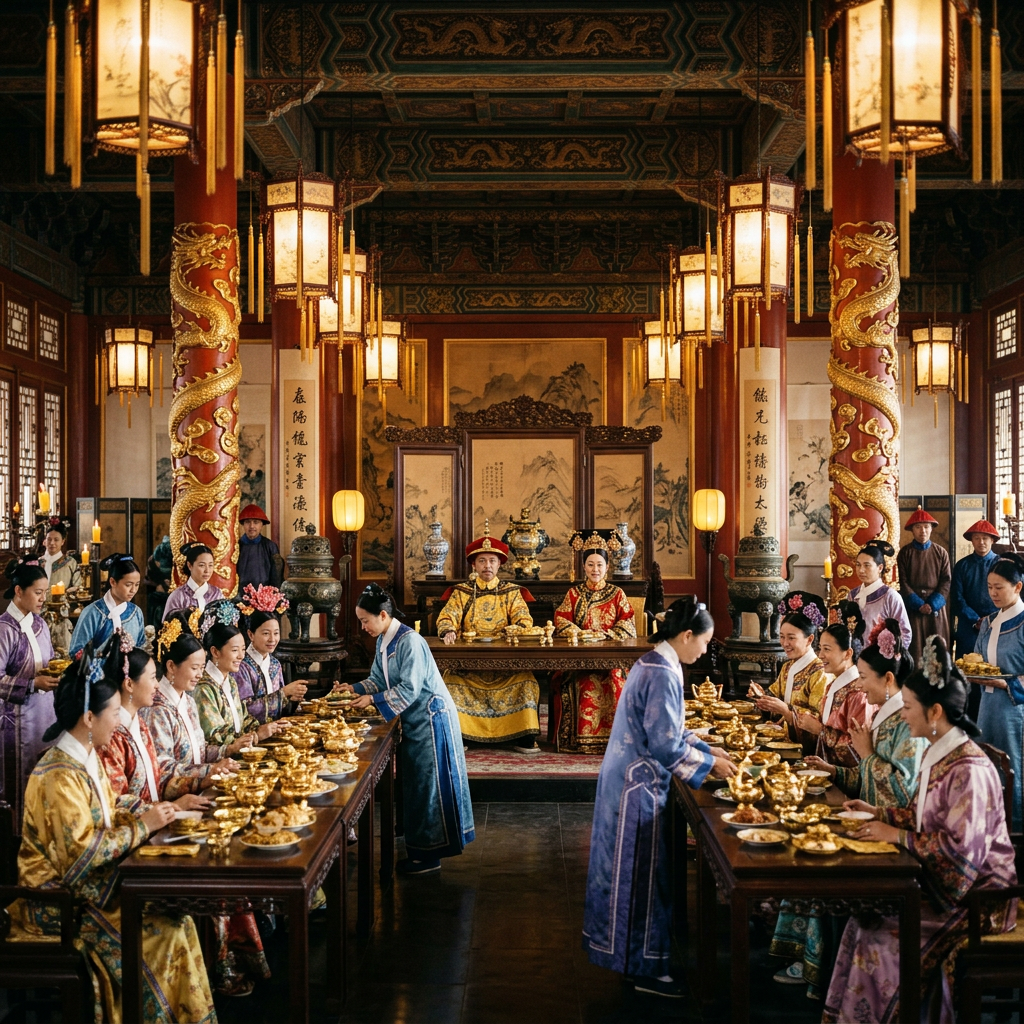
Historical dramas naturally include concubines— that was the system of the time. But modern society is monogamous, and concubinage disappeared long ago. Yet Chinese dramas resurrect that past again and again. Qing palace schemes, rivalry among consorts, the king’s affection fought over like a prize. A system that no longer exists lives eternally on screen. Watch enough of it, and the structure begins to feel natural. Fantasy is entertainment, but repetition blurs norms. Not the norms of reality, but the norms of a fabricated world settling quietly into the mind.
Authoritarian systems fear stories that deal with reality. Reality creates questions, questions create comparisons, comparisons create doubt. So the past is repeated, and imaginary worlds are endlessly produced. Fantasy is safe; reality is dangerous. People see conflict, but only in distant eras with no connection to their own lives. Reality fades, and questions fade with it.
This is why modern Chinese viewers use every possible method to watch foreign content— Korean dramas, American films, Japanese animation, stories slipping past the wall of censorship. Illegal, yes. But they watch. And quietly, they begin to realize: Why can’t we use these themes? Why can’t our dramas portray reality? Why can’t we ask questions? A small ripple of doubt will someday become a wave. The system fears questions, but questions always find a path.
China will eventually face a day when it must open Netflix. But North Korea is different. It is a nation that cuts off ripples before they become waves. That is why I believe North Korea will not collapse. Even so, people search for reality. Even in a nation living inside fantasy, the desire to see the real world never disappears.
판타지 속에 머무는 나라, 현실을 찾는 사람들
어젯밤, 내 블로그에 중국에서 한 사람이 들어왔다. 넷플릭스도 막혀 있고, 한국 콘텐츠가 정식으로 들어오지 않는 나라에서 누군가는 우회로를 찾아 내 글을 읽었다. 금지된 것을 찾아보는 건, 사실 좋아한다는 증거였다. 그런데 그들은 또 한국을 비판한다. 요즘 중국 틱톡커들이 한국에 와서 수박 가격을 찍고, “한국 서민은 수박 한 덩어리도 못 사먹는 가난한 나라” 라고 조롱하는 그 오래된 ‘수박 밈’을 반복한다. 그러나 그 상반된 태도는 감정이 아니라 구조였다. 칭찬은 위험하고, 비판은 안전한 나라. 그래서 중국의 온라인 에티켓은 언제나 비판이 기본값이 된다. 그 구조를 잠시 들여다보고 싶어졌다.
중국의 콘텐츠 차단은 한국을 싫어해서가 아니라, 외부 정보가 내부 여론을 흔들 수 있다는 두려움에서 시작된다. 플랫폼을 막고, 검열을 두고, 자국 서비스를 보호하는 구조 속에서 외국 콘텐츠는 쉽게 금지된다. 합법 경로가 사라지면 사람들은 불법 경로를 찾는다. 금지된 콘텐츠는 오히려 더 멀리 퍼진다. 그 역설은 중국 인터넷의 오래된 풍경이다.
중국의 고장드라마는 언제나 천상의 신들과 신선들의 사랑을 그린다. 주인공은 날아다니고, 손에서 불덩어리가 나오고, 무술의 정점을 찍은 영웅이 세상을 구한다. 그리고 화면은 늘 청나라 궁궐로 돌아간다. 첩들의 시기와 질투, 배신과 음모. 존재하지도 않는 세계가 끝없이 반복된다. 그것은 현실을 다루면 체제가 흔들리기 때문이다. 그래서 국민들은 판타지 속에 머물고, 현실은 화면 밖으로 밀려난다.
물론 역사드라마에는 첩들이 등장한다. 그 시대의 제도가 그랬으니까. 하지만 현대는 일부일처제이고, 첩 제도는 오래전에 사라진 관습이다. 그런데 중국 드라마는 그 과거를 끝없이 되살린다. 청나라 궁궐의 음모와 후궁들의 질투, 왕의 사랑을 두고 벌어지는 끝없는 경쟁. 현실에서는 존재하지 않는 제도가 화면 속에서는 언제나 살아 있다. 그런 이야기를 오래 보면 사람들은 무의식적으로 그 구조를 자연스럽게 느낄지도 모른다. 판타지는 재미지만, 반복되면 규범을 흐린다. 현실의 규범이 아니라, 화면 속 세계의 규범이 조용히 마음속에 자리 잡는다.
체제는 현실을 다루는 이야기를 두려워한다. 현실을 다루면 질문이 생기고, 질문은 비교를 만들고, 비교는 의심을 만든다. 그래서 과거의 궁궐과 신선들의 세계가 반복된다. 존재하지 않는 세계는 안전하고, 현실은 위험하다. 판타지 속에서 사람들은 갈등을 보지만 그 갈등은 언제나 먼 과거의 이야기다. 지금의 사회와는 아무 관련이 없다. 그래서 현실은 조용히 사라지고, 질문도 함께 사라진다.
그래서 현대 중국인들은 온갖 방식으로 외국 콘텐츠를 본다. 한국 드라마, 미국 영화, 일본 애니메이션, 검열의 벽을 피해 들어오는 모든 이야기들. 불법이지만, 그들은 본다. 그리고 조용히 자각하게 된다. 왜 우리는 이런 소재를 쓰지 못할까. 왜 우리 드라마는 현실을 다루지 못하고, 왜 질문을 허락하지 못할까. 작은 물결처럼 시작된 의문은 언젠가는 큰 파문으로 번질 것이다. 체제는 질문을 두려워하지만, 질문은 언제나 길을 찾는다.
중국은 언젠가 넷플릭스를 열어야 할 날이 올 것이다. 하지만 북한은 다르다. 그곳은 파도가 생기기 전에 물결을 잘라버리는 나라다. 그래서 나는 북한이 쉽게 무너지지 않는다는 생각에 한 표를 준다. 그럼에도 사람들은 현실을 찾는다. 판타지 속에 머무는 나라에서도 현실을 보고 싶어하는 마음은 사라지지 않는다.